
Is Olive Oil Low Histamine? The Truth About Quality, Freshness, and What You Need to Know with MCAS and Histamine Intolerance
Is olive oil low histamine? The short answer is, yes, when it’s fresh and high-quality. But there are important nuances that determine whether olive oil will help your Mast Cell Activation Syndrome (MCAS) and Histamine Intolerance.
And we want you to know that when you’re on a low histamine diet, or any other diet, we always suggest swapping instead of dropping foods whenever possible. Because you want to keep as many nutrient-rich foods and as much variety as possible!
You need nutrients to heal.
Along the way, we’ve also found that many of the low histamine food lists have a lot of mistakes.
And those mistakes get copied. And new mistakes are made, and so on.
Olive oil is one of those foods that’s gotten a bit of a bad rap in many histamine circles.
That’s because technically, it can be a bit of a higher histamine food for a few reasons we’ll discuss. But on the other hand, it can also be low histamine, and it helps increase the histamine-lowering enzyme, diamine oxidase (DAO).
So, for many people with Mast Cell Activation Syndrome and Histamine Intolerance, olive oil can be a nutritious addition to your diet. And while our sensitive community can react to anything, good olive oil is something many people tolerate fairly well.
Olive oil also has a lot of other health benefits like lowering inflammation and stabilizing mast cells.
But finding a high-quality olive oil that is fresh is very important if you are looking for one that’s beneficial instead of harmful. And that you are most likely to tolerate.
And olive oil isn’t the right next step for everyone.
In this post you’ll learn:
- The many benefits of olive oil, including for those with MCAS or Histamine Intolerance
- The #1 cause of “olive oil intolerance”
- What quality markers actually matter
- The real problem with olive oil (though it’s less of a problem these days, fraud does still happen, and old oil is a big problem!)
- Exactly what to look for when buying olive oil, so you get more of the benefits and less of the triggers
- Who might want to wait on olive oil
Let’s take a quick look at why you may be reacting to olive oil first.
Why You Might Experience Intolerance to Olive Oil (It May Not be What You Think)
Unlike high-histamine foods such as aged cheeses, fermented foods (sauerkraut, kefir), cured meats (salami), shellfish, or citrus fruits, fresh olive oil can actually be histamine lowering as well as low in histamine when properly stored and consumed fresh.
True olive oil intolerance is relatively rare. But with Mast Cell Activation Syndrome and Histamine Intolerance, you can react to many foods. And there’s more to it than that, even.
Here’s what might actually be causing reactions:
- Very low DAO levels – The DAO enzyme (diamine oxidase breaks down histamine in your gut. Olive oil can actually boost DAO production (more on that later). But if your DAO is very low, olive oil’s initial histamine spike may be too much for your system to handle right now.
- Salicylate Intolerance – Olive oil is high in salicylates. And Salicylate Intolerance affects about 10% to 20% of people we work with. If you react to aspirin or salicylate-rich foods like most herbs, mint, blueberries, or apples this may be your issue.
- Cross-reactivity – If you have olive pollen allergies, you may experience allergy symptoms with olive products.
- True olive allergy – Rare, but possible if you’re allergic to the olive fruit itself (Olea europaea). Symptoms may include hives, difficulty breathing, or oral allergy syndrome.
- Rancid/oxidized oil – Many people aren’t reacting to olive oil, they’re reacting to inflammatory compounds in old, oxidized oil from grocery store shelves OR…
- Contaminants – Things like pesticides or BPA (bisphenol A). Unfortunately, olives are a heavily pesticide sprayed crop, and the olives absorb a lot those chemicals that then end up in the oil.
With all the great potential benefits, it can be worth investigating. Let’s look at how olive oil can support healing mast cell and histamine issues next.
It’s important you know that this blog post is for educational and informational purposes. It’s not meant to treat any health condition or to be prescriptive for anyone. If you have any medical condition, it is critical you work under the care and guidance of a licensed medical healthcare provider.
Low Histamine Olive Oil: How Fresh Olive Oil Reduces Inflammation and Supports MCAS
As you just read, olive oil can be low histamine. But good olive oil does more than just avoid triggering Histamine Intolerance. It can actively help stabilize mast cells and even reduce histamine.
Olive oil’s ability to address inflammation comes partly through what’s called polyphenols.
Polyphenols are types of antioxidants. These are very important nutrients we get through plants. And they really help the body recover and heal from all sorts of things.
Some of these powerful nutrients include:
- Gallic acid – This is a powerful polyphenol that can work as an antioxidant and anti-inflammatory. It also has shown it can protect the digestive system, nervous system, and cardiovascular system.
- Hydroxytyrosol – A potent polyphenol that supports cardiovascular and nervous system health, protects cells, and may help the immune system fight infections.
- Oleocanthal – Powerful anti-inflammatory that was shown in studies to work similarly to ibuprofen. This was shown to work by blocking the production of inflammatory chemicals.
- Tyrosol – This can support the cardiovascular system.
- Oleuropein – According to studies, has excellent antioxidant and anti-inflammatory activity, and may support cardiovascular and immune health.
- Oleanolic acid – May protect the liver, balance cholesterol levels, and reduce inflammation.
In a 2016 study, hydroxytyrosol was actually found to lessen the body’s response to allergens.
The researchers concluded that hydroxytyrosol may have potential as an allergy-preventative nutrient.
And more recent research on olive-derived compounds shows promising results. A study on olive leaf extract found it reduces histamine release from human mast cells.
While this study used a concentrated extract from olive leaves rather than oil, olive oil contains these same mast cell-stabilizing polyphenols (hydroxytyrosol and oleuropein) just in lower concentrations.
So, olive oil’s polyphenols and healthy fats are supportive of mast cells.
But olive oil isn’t just good for your mast cells. It has many other health supporting benefits. Let’s look at those next.
Why Fresh Olive Oil Offers More Than Mast Cell Support
Beyond supporting the mast cells and your body’s ability to lower histamine, olive oil has a lot of other benefits.
- Antioxidant protection – Help neutralize unstable molecules that can damage cells
- Brain health – May reduce risk of neurodegeneration and support repair after injury
- Anti-inflammatory effects – Counters chronic inflammation, particularly in cardiovascular disease
- Blood sugar balance – Studies show reduced fasting blood sugar
- Heart health – May raise HDL (“good”) cholesterol
- Bone protection – When combined with vitamin D, protects against bone loss
And, unlike inflammatory seed oils (soybean, sunflower, canola), olive oil provides anti-inflammatory polyphenols that support gut health, too.
But here’s where it gets confusing. Olive oil appears on both yes and no lists for Histamine Intolerance. Here’s why.
The Histamine Paradox: Why Olive Oil Appears on Both High and Low Histamine Lists
Many olives are rich in both histamine and a similar molecule called tyramine.
But olive oil is listed as high histamine on some lists. And low histamine, or even anti-histamine, on other lists. Why is this?
Histamine researcher Dr. Janice Joneja explains that consuming olive oil often initially increases histamine levels. But shortly after, it triggers release of DAO (diamine oxidase), the enzyme that breaks down histamine.
For people with normal DAO levels, this isn’t a problem. The histamine spike is temporary and followed by increased breakdown capacity.
However, if you have severely depleted DAO levels, that initial histamine increase can contribute to histamine buildup before that DAO enzyme kicks in.
So, if that’s you, then even that short and small spike may be too much until your system has recovered a little.
If you’re unsure, start with just a few drops (2 or 3) of high-quality olive oil and wait 3 days before trying it again. You can gradually increase it over time.
If you tolerate it well, you may benefit from olive oil’s mast cell stabilizing properties and other health benefits.
The benefits of olive oil only apply when you have the real thing and it’s fresh, though!
Unfortunately, most olive oil is older and has lost a lot of the beneficial compounds. Particularly what is found on grocery store shelves.
Low-quality, spoiled, or old olives are also often used in cheap olive oil. All of which raises the histamine content of the oil itself. And some are even frauds.
We’ll go over what to watch out for in the next section.
The Real Problem: Why Oxidized Olive Oil Can Trigger Histamine Reactions
Not all olive oils are created equal.
Most grocery store olive oil is oxidized, aged, and potentially rancid. Even when it’s 100% authentic.
Here’s why this matters for MCAS.
The Truth About Grocery Store Olive Oil and Oxidation
Not all olive oil is created equal. For starters, there are big differences in the quality of oil and how many polyphenols (the helpful antioxidants you just read about) are in the oil.
Olive oil sellers purchase from multiple suppliers, mixing oils that can be 1 to 2 years old (or older). And there’s no way to know how that oil was stored before it got there, either.
Many brands will stamp these blends with a “bottled on” date. But that’s not the same thing as a harvest date.
Then the oil sits under fluorescent lights on store shelves for months.
The problem is, over time the oil’s structure breaks down. It becomes oxidized. Which reduces the beneficial parts of the oil and eventually turns it rancid.
Heat and light accelerate this process dramatically.
Oxidized oil has more inflammatory compounds and fewer anti-inflammatory compounds.
At the 2024 New York International Olive Oil Competition, oxidation was the most common defect found. Even among premium producers showcasing their best oils.
Studies show rancid olive oil can trigger intestinal and liver inflammation, disrupt lipid metabolism, and activate inflammatory mediators (chemicals). More inflammation is exactly what you’re trying to avoid with MCAS.
What about fraud?
While olive oil fraud exists, recent testing found it’s rare in the U.S., with less than 1% of major brands containing undisclosed oils. The study covered 85% of the market, so the remaining 15% is unclear.
Fraud remains more common in Europe and with lesser-known U.S. brands, particularly when prices spike.
But oxidation and pesticide contamination pose far greater risks than fraud. Even 100% authentic olive oil becomes inflammatory after months on supplier or store shelves.
Let’s take a quick look at what contributes to oxidation and what to do about it next.
4 Factors That Turn Healthy Olive Oil Inflammatory
As you just read, olive oil is perishable (it can degrade and spoil).
It starts losing beneficial compounds when exposed to:
- Light – Even indoor fluorescent lights break it down
- Heat – Warm storage accelerates rancidity
- Time – Quality degrades within months of harvest
- Air – Oxygen triggers oxidation (even in half-empty bottles)
What you need for fresh olive oil:
- Dark bottles to protect from light
- Harvest date within 6 months (ideally)
- Quick consumption once opened
The challenge?
Most store-bought oils are low quality to start with. They don’t list harvest dates. And the oil could already be 1 to 2+ years old before bottling.
This makes finding fresh, high-quality oil difficult. Even at stores like Whole Foods.
The most reliable solution is to buy directly from a trusted producer who provides harvest dates and ships fresh oil to your door.
This is why it took us 3 years to find an olive oil we trust enough to use ourselves and share with you.
Now, let’s show you exactly what to look for and our top choice.
How to Identify Fresh, Low Histamine Olive Oil: Your Buying Guide
Will the REAL, healthy olive oil please stand up?
We spent years trying different olive oils.
And trying to make sense of what creates the best olive oil with the best health benefits. Especially for those with Mast Cell Activation Syndrome or Histamine Intolerance.
Here are some guidelines we learned for purchasing an authentic olive oil.
What to look for:
- Dark bottle or tin packaging – Olive oil is damaged by heat, light, and air
- Extra virgin olive oil (EVOO) – Not “light” or “olive pomace oil” or just “pure”, as it’s likely to have been chemically refined
- Pressed-on date or harvest date – The ideal is to use olive oil within 6 months of harvest and processing. So, ideally look for a harvest date less than 6 months ago. Remember, this is different than the date it was bottled on.
- Specific origin – Exact mill/city, not just “packed in Italy”
- Fresh, peppery flavor – Should have a throat-catching bite, slight bitterness. If it isn’t flavorful, it is a low-quality oil or has been “watered down”.
- Quality certifications – COOC, Australian Olive Association, PDO, PGI, or USDA Organic
What to avoid:
- Clear bottles (light damages oil)
- Mild or flavorless (diluted or old)
- Rancid (crayon-like, stale, greasy, smells like vinegar)
- Fermented/”fusty” (anaerobic fermentation from poor storage)
- Musty/moldy (low-quality olives)
But again, these don’t guarantee authentic olive oil. The bottle can look just right. Flavors can be added to the bottle to make it peppery and bitter.
We have researched dozens of olive oils. And found 3 authentic options we trust.
2 of them were great quality. But they were just so overpoweringly grassy tasting, we couldn’t eat much of them.
And then there was the top winner.
Let’s learn more about it next…
The Best Low Histamine Olive Oil: Why We Choose Kasandrinos
First, we’ve tried over 40 brands of Extra Virgin Olive Oil (EVOO). No joke!
Now, we do use a LOT of olive oil in cooking and recipes. But also, in our quest to find the best health benefits, we went through a lot of brands.
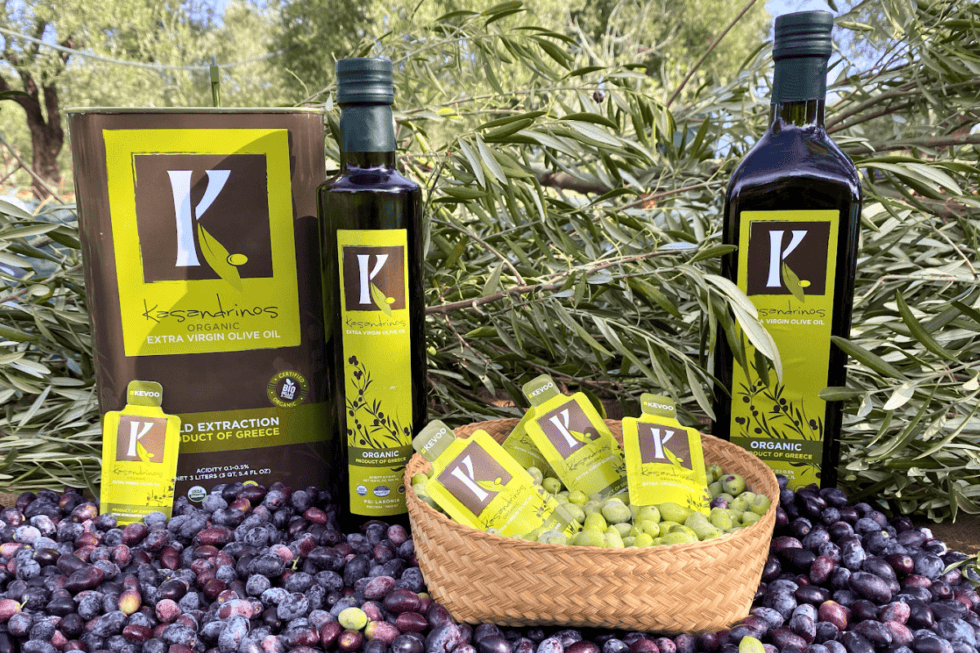
And our top winner is: Kasandrinos Olive Oil
The runners-up are Dr. Gundry’s Olive Oil and Fresh Pressed Olive Oil Club.
All are excellent. And we trust all 3.
The runners-up have intensely strong, grassy flavors. This is one sign of a good quality olive oil. But they ended up being too strong for us to enjoy regularly.
But people who like that very strong, bitter, grassy flavor will like them.
Then we found Kasandrinos Olive Oil. And they checked all the boxes. Plus, it has the highest polyphenol count we’ve seen!
Quality and Freshness:
- Harvest-dated bottles – Every bottle includes harvest date and lot number so you know exactly when your oil was pressed
- Current season only – Oil never sits on shelves for more than one season
- Cold-pressed immediately – Processed within hours of harvest to prevent oxidation and preserve polyphenols
- Dark glass or BPA-free tin – Protected from light damage that causes oxidation
Purity and Sourcing:
- Single-origin Greek – From ancient olive groves in Southern Greece
- Hand-picked olives – Prevents bruising that degrades quality and increases histamine. Harvested using traditional methods.
- USDA Organic – No pesticides, herbicides, or fertilizers
- Family operation – Run by the Kasandrinos family!
Nutritional Profile:
- High polyphenol content
- Rich in vitamin E
- Balanced flavor – Blend of Koroneiki and Athinolia olives creates sweet and peppery taste (not overpoweringly grassy)
Additional Certifications:
- Non-GMO Verified
- Kosher
- Paleo
- PGI (Protected Geographical Indication)
And it’s delicious!
That’s why Kasandrinos is our top choice! And what we use and recommend.
You won’t find it in stores, though. They sell directly from their family to consumers (a big plus for freshness and authenticity)!
Kasandrinos has graciously offered the Mast Cell 360 community an exclusive 10% discount on both one-time orders and subscriptions.
>>> Click here and use code MASTCELL360 for 10% off olive oil from Kasandrinos

What to Do If You Still React to Fresh Olive Oil
If you’ve tried fresh, high-quality olive oil like Kasandrinos and still react, you may need to:
- Go slower – You can start with 2 to 3 drops and wait 3 days. If there is no increase in symptoms, try 2 to 3 drops more. Then gradually increase. This gradual approach helps your system adapt without triggering reactions.
- Wait until Phase II of the Low Histamine Diet
- We like it drizzled over vegetables, as a salad dressing, or with cassava flatbread as a dip!
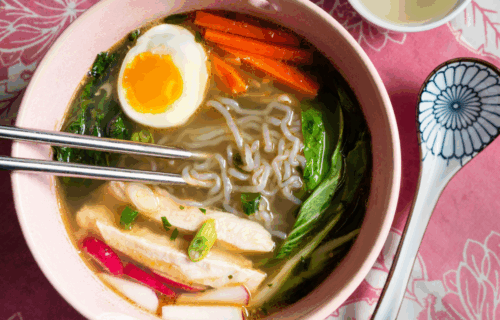
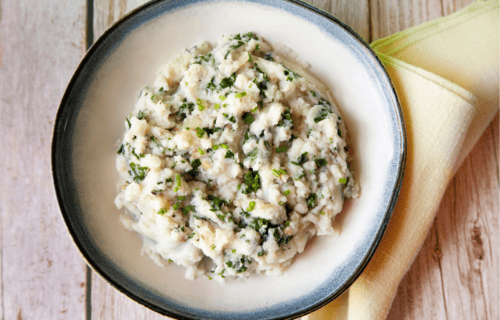
- We like it in recipes like:
- Address Salicylate Intolerance first. You might do better with ghee/butter or low histamine tallow for now.
- Work on nervous system regulation – Many people stuck with extreme sensitivities have significant nervous system dysregulation, especially those with Mold Toxicity, Lyme, or trauma. If you’re reacting to everything, we recommend learning more about the Mast Cell Nervous System Reboot.
What has your experience been with olive oil? Have you tried Kasandrinos? We’d love to hear from you in the comments below!
More Posts on MCAS and Histamine Intolerance
- Do You Have One or Both? Histamine Intolerance vs MCAS (Mast Cell Activation Syndrome)
- Low Histamine Diet Plan for Mast Cell Activation Syndrome
- Low Histamine Foods List
- Low Histamine Recipes
Some links in this website are affiliate links, which means Mast Cell 360 may make a very small commission if you purchase through the link. It never costs you any more to purchase through the links, and we try to find the best deals we can. We only recommend products that we love and use personally or use in the Mast Cell 360 practice. Any commissions help support the newsletter, website, and ongoing research so Mast Cell 360 can continue to offer you free tips, recipes, and info. Thank you for your support!
References
Angeloni, C., Malaguti, M., Barbalace, M. C., & Hrelia, S. (2017). Bioactivity of Olive Oil Phenols in Neuroprotection. International journal of molecular sciences, 18(11), 2230. https://doi.org/10.3390/ijms18112230
Bertelli, M., Kiani, A. K., Paolacci, S., Manara, E., Kurti, D., Dhuli, K., Bushati, V., Miertus, J., Pangallo, D., Baglivo, M., Beccari, T., & Michelini, S. (2020). Hydroxytyrosol: A natural compound with promising pharmacological activities. Journal of biotechnology, 309, 29–33. https://doi.org/10.1016/j.jbiotec.2019.12.016
Bonura, A., Vlah, S., Longo, A., Bulati, M., Melis, M. R., Cibella, F., & Colombo, P. (2016). Hydroxytyrosol modulates Par j 1-induced IL-10 production by PBMCs in healthy subjects. Immunobiology, 221(12), 1374–1377. https://doi.org/10.1016/j.imbio.2016.07.009
Di Benedetto, R., Varì, R., Scazzocchio, B., Filesi, C., Santangelo, C., Giovannini, C., Matarrese, P., D’Archivio, M., & Masella, R. (2007). Tyrosol, the major extra virgin olive oil compound, restored intracellular antioxidant defences in spite of its weak antioxidative effectiveness. Nutrition, metabolism, and cardiovascular diseases : NMCD, 17(7), 535–545. https://doi.org/10.1016/j.numecd.2006.03.005
George, E. S., Marshall, S., Mayr, H. L., Trakman, G. L., Tatucu-Babet, O. A., Lassemillante, A. M., Bramley, A., Reddy, A. J., Forsyth, A., Tierney, A. C., Thomas, C. J., Itsiopoulos, C., & Marx, W. (2019). The effect of high-polyphenol extra virgin olive oil on cardiovascular risk factors: A systematic review and meta-analysis. Critical reviews in food science and nutrition, 59(17), 2772–2795. https://doi.org/10.1080/10408398.2018.1470491
Hajipour, S., Sarkaki, A., Farbood, Y., Eidi, A., Mortazavi, P., & Valizadeh, Z. (2016). Effect of Gallic Acid on Dementia Type of Alzheimer Disease in Rats: Electrophysiological and Histological Studies. Basic and clinical neuroscience, 7(2), 97–106. https://doi.org/10.15412/J.BCN.03070203
Ji, Y., Sakata, Y., Li, X., Zhang, C., Yang, Q., Xu, M., Wollin, A., Langhans, W., & Tso, P. (2013). Lymphatic diamine oxidase secretion stimulated by fat absorption is linked with histamine release. American journal of physiology. Gastrointestinal and liver physiology, 304(8), G732–G740. https://doi.org/10.1152/ajpgi.00399.2012
Joneja, J. (2018). Olive oil and histamine. Histamine-sensitivity.com website. Retrieved from: https://www.histamine-sensitivity.com/olive-oil-and-histamine-11-18.html
Kahkeshani, N., Farzaei, F., Fotouhi, M., Alavi, S. S., Bahramsoltani, R., Naseri, R., Momtaz, S., Abbasabadi, Z., Rahimi, R., Farzaei, M. H., & Bishayee, A. (2019). Pharmacological effects of gallic acid in health and diseases: A mechanistic review. Iranian journal of basic medical sciences, 22(3), 225–237. https://doi.org/10.22038/ijbms.2019.32806.7897
La Maison Orphée. (2024, August 16). Olive oil 101: Spotting the flaws like a pro. https://maisonorphee.com/en/blogs/articles/petit-guide-pour-detecter-les-defauts-d-une-huile-d-olive
Mueller, T. (2012). Extra Virginity: The sublime and scandalous world of olive oil. W. W. Norton & Company.
Mueller, T. (2007, August 13). Slippery Business: The Trade in Adulterated Olive Oil. The New Yorker.
New York International Olive Oil Competition. (2024). Competition analysis findings. Retrieved from reporting on NYIOOC quality assessment results.
North American Olive Oil Association. (2025, September 4). Nation’s most comprehensive olive oil testing study finds no adulteration in top 15 brands, private label brands [Press release]. Study designed and overseen by Tassos C. Kyriakides, Ph.D., Assistant Professor of Biostatistics, Yale University. https://www.aboutoliveoil.org/nations-most-comprehensive-olive-oil-testing-study-finds-no-adulteration-in-top-15-brands-private-label-brands
Omar S. H. (2010). Oleuropein in olive and its pharmacological effects. Scientia pharmaceutica, 78(2), 133–154. https://doi.org/10.3797/scipharm.0912-18
Piroddi, M., Albini, A., Fabiani, R., Giovannelli, L., Luceri, C., Natella, F., Rosignoli, P., Rossi, T., Taticchi, A., Servili, M., & Galli, F. (2017). Nutrigenomics of extra-virgin olive oil: A review. BioFactors (Oxford, England), 43(1), 17–41. https://doi.org/10.1002/biof.1318
Santangelo, C., Filesi, C., Varì, R., Scazzocchio, B., Filardi, T., Fogliano, V., D’Archivio, M., Giovannini, C., Lenzi, A., Morano, S., & Masella, R. (2016). Consumption of extra-virgin olive oil rich in phenolic compounds improves metabolic control in patients with type 2 diabetes mellitus: a possible involvement of reduced levels of circulating visfatin. Journal of endocrinological investigation, 39(11), 1295–1301. https://doi.org/10.1007/s40618-016-0506-9
Smith, A. B., 3rd, Sperry, J. B., & Han, Q. (2007). Syntheses of (-)-oleocanthal, a natural NSAID found in extra virgin olive oil, the (-)-deacetoxy-oleuropein aglycone, and related analogues. The Journal of organic chemistry, 72(18), 6891–6900. https://doi.org/10.1021/jo071146k
Somma, F., Romano, B., Maresca, D. C., Maisto, M., Tenore, G., Ianaro, A., & Ercolano, G. (2025). Olive leaf extract (OLE) reduces mast cell-mediated allergic inflammation. Biomedicine & Pharmacotherapy, 182, 117784. https://doi.org/10.1016/j.biopha.2024.117784
Souza, P., Marcadenti, A., & Portal, V. L. (2017). Effects of Olive Oil Phenolic Compounds on Inflammation in the Prevention and Treatment of Coronary Artery Disease. Nutrients, 9(10), 1087. https://doi.org/10.3390/nu9101087
Waterman, E., & Lockwood, B. (2007). Active components and clinical applications of olive oil. Alternative medicine review : a journal of clinical therapeutic, 12(4), 331–342.

Wondering about avocado oil also. Are there similar issues with histamine and/or DAO?
On the foods list which you can find here: https://mastcell360.com/low-histamine-foods-list/ it says use avocado oil cautiously if DAO levels are very low. This is a good quality one which Beth has had success with. https://www.amazon.com/Olivado-Extra-Virgin-Avocado-ounces/dp/B000F8XYA0/ref=as_li_ss_tl?dchild=1&keywords=olivado+olive+oil&qid=1588014818&sr=8-5&linkCode=sl1&tag=mc360-20&linkId=b7aee67c8f21b20c88b2dbddf502c607&language=en_US
If you decide to try it, be sure to start slowly if you aren’t sure if you will have a reaction. And always be sure to see your doctor with any reactions or concerns.
Suz
Thanks alot for shedding light on this topic.. I could have never imagined that olive oil would be altered with other ‘cheap oils’.
I’ve been using Kasandrinos olive oil for years now! It’s definitely the best and only brand I trust! I actually save by subscribing and having my order shipped once a month. I don’t travel much anymore these days for obvious reasons, but when I do, I’m sure to carry their travel packets with me. It’s good to know their EVOO can also help my MCAS! 🙂
Nice writeup. A few days ago for the first time in a long time I had olive oil. Within a few minutes my throat went a little numb making it somewhat difficult to swallow.
Happens from time to time with various foods. Numbness goes away in a couple of hours.
I’m guessing my olive oil was adulterated and old.
Thank you for all the information regarding oil, I had no idea it was difficult to find the right kind. I investigated olive oil a while ago and found the California Olive Ranch is just what we need. My husband and I are big oil fans and this kind has never bothered me in any way. I am really relieved. We go through it quite fast. Been using it for quite a few years now. Thank you for all your research.
Excellent post, as usual. I’ve been on the hunt for the best, most healthy olive oil for several years. Appreciate the link. Will try it!
I have never had a problem with extra virgin olive oil. I buy it in a dark bottle, use quite a bit daily and try to buy organic and try to protect it from light, air and heat. I usually use it within two weeks. I have multiple sensitivities to food, supplements,. medications and other things. I usually can tell just by inhaling the molecules given off by something if I am unable to tolerate it. I will also put a small amount on or under my tongue if I am uncertain. I believe I have mast cell activation syndrome but not histamine intolerance. However I do not want to consume rancid, contaminated or fake olive oil for general health reasons and I will follow your guidelines and likely purchase one of the three products you approve. I have high confidence in your capabilities and trustworthiness and though I have followed your Nervous System Reboot program for less than one month I have greatly benefited and I highly recommend anyone with mcas or histamine intolerance to try it. Thank you and your team for all you do. Glen Hollywood, Fl
Hi Glen,
I am so glad to hear that the course has already been beneficial! Thank you for the feedback. I hope you like the olive oil as we here at Mast Cell 360 do.
Very informative article, thank you MastCell360 team!
I did some research on small California organic olive oil growers and producers, and found two that I really like, Bozzano Olive Ranch and Apollo Olive Oil. They both grow their own olives on their farms in CA, hand pick, cold press, sell oil by harvest date, are organic and certified by the California Olive Oil Council. They have a variety of oils made from different olives for olive oil that is very light to strong in flavor. Check out their websites.
Hi! Do you still recommend this brand?
Hello Tessa! Yes we still recommend Kasandrinos!
Also, the 50% off for a subscription doesn’t work anymore. Maybe it’s been too long. Just wanted to let you know. It’s giving me 10% off for a subscription, just as it does for a one time delivery.
Sorry about that! Sometimes affiliate deals change. I just checked and our current deal is 20% off sitewide with code MASTCELL360