
What Is MCAS? Understanding Mast Cell Activation Syndrome Symptoms and Causes
What is MCAS? As you’ll read in this post, Mast Cell Activation Syndrome (MCAS) is an often misunderstood and underrecognized condition with a wide variety of possible symptoms.
Many people living with MCAS don’t even realize all their symptoms may be connected.
See if any of this sounds familiar….
Do you feel sick, but your bloodwork comes back “normal?”
Do you have “strange” symptoms that your healthcare practitioner doesn’t have an explanation for?
Are you “more sensitive” to things that don’t seem to bother other people?
How many of these other questions do you answer yes to? Do you:
- Have many different kinds of symptoms?
- React to many foods or only tolerate a limited number of foods?
- Suffer from insomnia?
- Experience a lot of anxiety?
- Have chronic pain?
- Have chronic gut issues?
- Have sensitivities to smells that don’t bother anyone else?
- Notice small improvements in your health if you address some of your symptoms? But then you quickly revert to feeling terrible again?
Many people in our sensitive community can answer yes to all of those questions… and more. But you don’t need all of these to have MCAS.
If you’re nodding along to these questions, you’re not alone. And many people struggle to find explanations or help.
So, keep reading to learn:
- What MCAS is
- How exactly mast cells get dysregulated
- Why MCAS is on the rise
- Why are there so many different ways MCAS symptoms can show up?
- Testing options and challenges with testing
- What the most important steps are for recovering from MCAS
- Get the Mast Cell Activation Syndrome Symptoms Quiz
But first, if you or a loved one has been through the frustration of unexplained symptoms and looking for answers, Beth’s story is going to feel very familiar.
It’s important you know that this blog post is for educational and informational purposes. It’s not meant to treat any health condition or to be prescriptive for anyone. If you have any medical condition, it is critical you work under the care and guidance of a licensed medical healthcare provider.
Beth’s Story: Finding Answers
See if you resonate with this story:
“I went to doctor after doctor. I explained all the symptoms I had.
I let them know the severity of the pain in my bones and muscles. I told them even my skin and hair hurt.
I told them I never got restful sleep.
At the time I could only tolerate 10 foods, including herbs. Anything outside of those triggered terrible itching, anxiety, worse sleep, and worse joint pain.
Walking by the detergent aisle at the grocery store made me feel sick. Road and gas fumes gave me terrible headaches
But these things didn’t affect anyone around me at all.
I told the doctors all of this.
Sometimes they wanted to help. But they didn’t know what to do because my bloodwork was normal.
Sometimes I was told that I couldn’t possibly be telling the truth about my symptoms. Or that it was all in my head.
But I knew something was wrong with me.
I knew it wasn’t in my head. And I knew I wanted to get better. So, I kept looking for answers.”
Beth eventually found out all those symptoms were related. And there was even a name for it — MCAS (Mast Cell Activation Syndrome).
Population studies show Mast Cell Activation Syndrome affects between 9% to 17% of the general population. That’s almost 1 in 10 at the low end! And it appears to be even more common in those with chronic illnesses. Hopefully, they will do studies soon.
Right now, Mast Cell Activation Syndrome is one of the most underrecognized and under addressed chronic conditions out there!
So, if you are feeling lost, it’s no wonder at all. But we want you to know you aren’t alone. And there are things you can do to heal and feel better.
Let’s dive in!
Understanding MCAS: When Your Immune System Goes Haywire
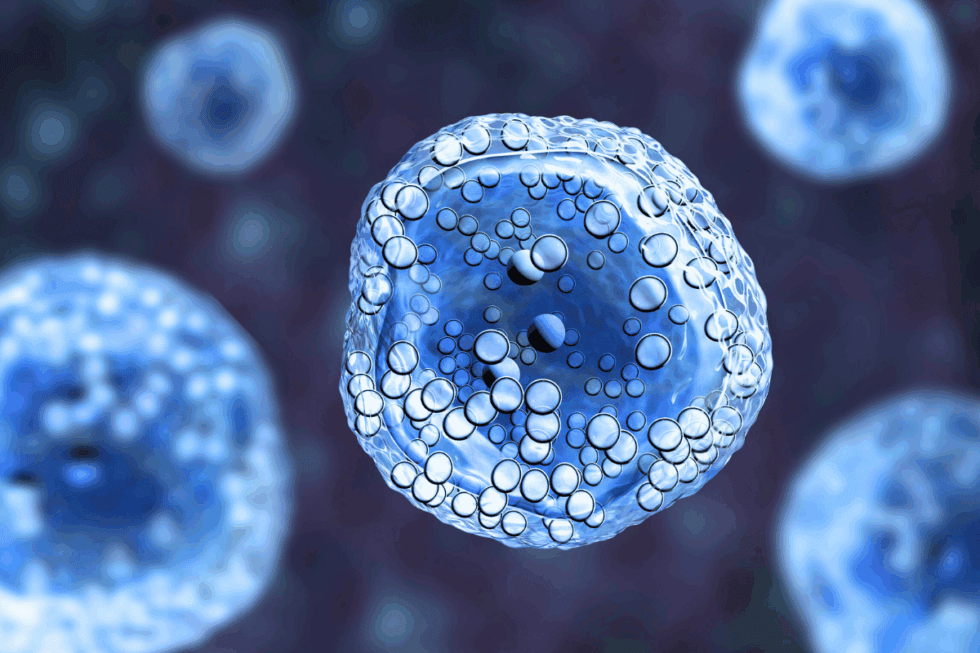
Mast Cell Activation Syndrome is a condition where important immune cells called mast cells have gotten out of control.
When you have Mast Cell Activation Syndrome, your mast cells get overly sensitive. They become overly responsive.
With overly responsive mast cells, you may be immediately sensitive to things that don’t seem to affect others.
You may also respond to things that should be safe (like food)!
So, what causes you to get these over-responsive or “haywire” mast cells?
Some rare forms of Mast Cell Activation Syndrome are genetic (which you’ll see called clonal MCAS).
But the vast majority of Mast Cell Activation Syndrome is what is called non-clonal. This means it’s not related to the mast cell genes.
Clonal MCAS is also different than genetic factors that don’t cause MCAS but may contribute to symptoms, like genes that affect inflammation.
Contributors to Mast Cell Activation Syndrome can include:
- Toxic mold exposures
- Exposure to toxic chemicals and heavy metals
- Food triggers like histamine, lectins, and oxalates
- Nutritional deficiencies
- Infections that may be acute or ongoing like Lyme, Epstein Barre, Covid, or the flu
- Hormone imbalances
- Chronic stress and traumas
- Nervous system dysregulation
- Some genetic factors
We call these root causes. And most people have a combination of at least a few.
These are some of the big picture things that can lead to overly responsive or “haywire” mast cells.
And when mast cells go haywire, you can end up with all kinds of symptoms and conditions.
You’ll read more about MCAS symptoms in just a minute. First, let’s continue by looking at what mast cells are and the role they play in your body… and how they go haywire.
What Are Mast Cells and Why Do They Matter?
Mast cells are a type of white blood cell. They are an important part of your immune system.
You have mast cells in almost every tissue in your body. Mast cells are in your:
- Skin
- Eyes and ears
- Entire GI tract (mouth, esophagus, stomach, intestines)
- Lung lining
- Lining of the bladder
- Blood vessels
- Nerves
- Muscles, tendons, ligaments
- Bones
- Brain
You can think of mast cells as defenders of the castle (your body). They stand guard to protect you against threats.
They help with wound healing, immunity, and blood–brain barrier function.
It’s important to remember that your mast cells aren’t the bad guys. They have dozens of important roles in your body. And they’re necessary for survival.
For example, when you get an infected cut, your mast cells are working hard to create some inflammation to keep bacteria from getting into your blood stream.
And when you get sick with a virus, your mast cells are some of the first immune cells on the scene to launch an attack for protection.
However, problems can occur when either:
- There are too many mast cells (clonal types of MCAS)
- Your mast cells are out of control (what we call haywire)
Systemic Mastocytosis is one kind of mast cell disorder. It’s a genetic condition where someone’s body makes too many mast cells. And it is relatively rare.
It’s much more common to have normal mast cell levels, but your mast cells are haywire. This is the much more common type of Mast Cell Activation Syndrome.
Now you might be thinking, “I just read that mast cells and mast cell responses are normal and even beneficial! If they work extra hard, isn’t that a good thing?” Unfortunately, it isn’t. Let’s look at why next.
How Mast Cells Become Dysregulated
You now know that mast cells are part of your immune response. They are the defenders that sense what’s going on.
They do this through something called mast cell receptors. These receptors are a key part of cell signaling (cells responding to the molecules around them).
Your mast cells are responding to:
- Every molecule of air you breathe
- Everything you swallow
- Everything that touches your skin
- Everything that circulates in your blood stream
- All your hormones
- Your neurotransmitters (and your stress)
- And much more!
Your mast cells have over 200 different types of receptors. This is how they can respond to everything that’s happening outside and inside you.
Things inside and outside your body trigger these receptors all the time.
As a response, mast cells release chemicals called mast cell mediators. You may already be familiar with one of these mast cell mediators — histamine.
Related Post: Mast Cell Foundations: Mediators and Receptors
Did you know there are over 1000 mast cell mediators (chemical messengers)?
Let’s take a closer look at this important part of understanding mast cells and MCAS.
Mast Cell Mediators
Mast cells have little granules inside that store these chemical messengers (mediators). When those mediators are released, it’s called degranulation.
Here are just a few of the types of mediators and what they do:
- Histamine – help regulate immune response, role in blood vessel dilation, various roles in other body functions
- Cytokines – inflammation increase, inflammation reduction, cell signaling
- Leukotrienes – plays a role in blood vessel dilation or constriction
- Prostaglandins – has a role in blood vessel dilation or constriction
- Tryptase – plays a role in allergic responses
- Neurotransmitters and neuropeptides – have roles in nervous system signaling
- Platelet-activating factor – plays a role in immune defense, inflammation, anaphylaxis
All of these can work to keep you healthy.
But those root causes we talked about earlier can interfere with normal mast cell activity in your body.
How is this happening?
How MCAS Starts: When Mast Cells Never Get a Break
Mast cells normally launch a response and then stabilize again.
They’re supposed to be your body’s protectors, the guards of your castle.
But today, your mast cells are facing more triggers than ever:
- Increasing levels of toxic chemicals in the environment
- The growing epidemic of toxic mold in buildings
- Unprecedented levels of chronic stress
And these constant triggers add up.
In 2012 alone, pollutants were linked to over 8.4 to 13 million premature deaths worldwide. That doesn’t even include mold exposure or stress, both of which heavily activate mast cells.
And it doesn’t include stressors like acute or chronic infections (Lyme, EBV, Covid), injury, or traumatic events that can be the “final straw.”
When mast cells are constantly on alert, they don’t get time to stabilize or recover.
Over time, this chronic triggering can make mast cells hypersensitive and hypervigilant. If you had to go weeks or months without sleep, you’d feel out of sorts too.
Then, the chemical messengers mast cells release may be:
- Released too often
- Released in excessive amounts
- Released at the wrong times
This ongoing chemical release can create widespread inflammation and symptoms throughout the body.
And this reactive state can turn into a feedback loop where your body releases mediators that trigger further mast cell degranulation. You can see why it’s important to interrupt this cycle.
Haywire Mast Cells: A Histamine Example
Here’s an example of how this happens using one of the mast cell mediators many people have at least heard about — histamine.
Histamine can cause inflammation. Initially, this inflammation can help in healing.
But what if your mast cell histamine receptors are overly sensitive?
Related Post: Do You Have One or Both? Histamine Intolerance vs MCAS (Mast Cell Activation Syndrome)
This can trigger surrounding mast cells to release more inflammatory mediators, like histamine. And then that can trigger more mast cells, which release more mediators… until it snowballs out of control.
This is how your mast cells can continue to release histamine and other inflammatory mediators even after the initial threat is gone.
It’s like a forest fire that starts with a little spark and slowly burns out of control. You can see what a terrible cycle this is!
And that’s where MCAS symptoms show up.
Remember how you read that mast cells are in nearly all tissues in your body? This is why chronic mast cell activation can show up in so many different ways. For example:
- Skin conditions
- GI problems
- Brain fog
- Sleep issues
- Joint and muscle pain
- Endometriosis
- Asthma
And that just names a few possible symptoms of MCAS!
Here’s another problem with these dysregulated mast cells. They can start seeing everything as a threat.
Then you start reacting to things most people don’t.
Why You’re So Sensitive: Common MCAS Triggers and Reactions
You’ve probably heard the expression, “like a canary in a coal mine.”
If you don’t know this saying, it comes from an old practice coal miners used. Mines could have toxic gases that were odorless. Miners could die in the mines from breathing in these fumes.
They didn’t have a way to test for these gases but someone found out canaries are more sensitive to those fumes. So, they’d take canaries into the mines with them.
If toxic gases were present, the canary would pass out or die. (Sad, we know.)
The gases would affect the canary before the gases would be fatal to the miners. So, the miners knew to get out right away if the canary got sick.
Do you feel like you are a canary in the coal mine, too?
Do you have multiple food sensitivities?
Maybe you can only eat a handful of foods without having flares?
Do you have trouble taking supplements or medications?
What about trouble with chemicals?
If you have Mast Cell Activation Syndrome you may notice those kinds of reactions. You may also notice reactions from exposure to:
- Gasoline fumes
- Paint fumes
- Perfumes and fragrances
- Off gassing from new carpet or furniture
- Pesticides
- Chemicals in cleaning products
- Preservatives in junk foods
- Air pollution
- And more
Once the mast cells are overly responsive, you become hyper-sensitive to toxic triggers that might not be affecting those around you.
And you may start noticing responses to non-toxic triggers, like foods, too. Your mast cells just don’t know when to shut off or what they should be attacking.
Everyone is different, but here are some things you can become sensitive to when you have Mast Cell Activation Syndrome:
- Certain foods
- Chemical smells
- Infections (viruses, bacteria, mold colonization, parasites)
- Hormone imbalances
- Temperature extremes (hot or cold)
- Lack of sleep
- Vibration
- Deep tissue massage
- Alcohol
- Surgery
- Injuries
- Heavy metal toxicity
- High stress
- Certain medications
- Mast cell triggering supplements
- Trauma
Now that you understand how mast cells become hypersensitive, let’s look at how this shows up in your body as a wide variety of potential symptoms.
Why You Can Have Many Different MCAS Symptoms
First, we have to remember that mast cells are nearly everywhere in the body. That means Mast Cell Activation Syndrome symptoms can occur in different systems in the body.
In Mast Cell Activation Syndrome, inflammation affects at least 2 systems of the body.
For example, you could have chronic gut issues like diarrhea or constipation (digestive system) along with muscle and bone pain (musculoskeletal system).
But we’ve found some people may have such serious symptoms in just 1 system that they don’t think about their other symptoms.
For example, you may have serious levels of food intolerances and gut issues. But you may think your dizziness is just dehydration, or something you’ve “always had.” But these may be linked.
In fact, nothing in the body is really separate.
There are a huge number of possible symptoms and conditions that can be associated with Mast Cell Activation Syndrome (MCAS).
Why so many?
If you think about it, you have:
- Mast cells in almost every location in your body
- Over 200 types of mast cell receptors
- Over 1000 mediators (chemical messengers) they can release
Sometimes, all the mast cells in the body can be affected. But more commonly a few mast cell locations (at least 2 or more) are heavily affected.
On top of this, some of your 200 receptors may be hypersensitive. And some (but not necessarily all) of the 1000 mediators may be over released.
So, the symptoms someone will have depends on the location of mast cells, the receptors, and the mediators involved.
Some people have skin symptoms. Others don’t. Some have severe allergic reactions. Others don’t.
The possible combinations are nearly impossible to calculate!
This is what has made Mast Cell Activation Syndrome so mystifying for a long time. And it’s why people can have completely different presentations of symptoms.
The main key is symptoms in 2 or more areas.
Here is a list of the majority of possible symptoms the research tells us people with Mast Cell Activation Syndrome can experience.
MCAS Symptoms: A List by Body System
How many do you have?
General
- Overall fatigue and feeling bad
- Food, drug, environmental, and chemical sensitivities
- Chills
- Sweats
- Sense of being cold all the time
- Inflammation
- Swollen lymph nodes
- Swelling
Muscles/Skeleton
- Osteoporosis and osteopenia (even in young people)
- Arthritis that moves around
- General muscular and bone pain
- Hyperflexible joints
- Degenerative disk issues
Skin
- Flushing
- Hives
- Rashes
- Easy bruising
- Reddish or a pale complexion
- Itching
- Burning sensations
- Dermatographia (persistent redness or white marks after scratching skin)
- Angioedema (swelling under the skin)
- Urticaria (red, itchy welts on the skin)
- Slow healing of skin
- Hair loss
- Rosacea
- Psoriasis
- Eczema
Heart
- Feeling faint or fainting
- Chest pains
- Fast heart rate
- Heart palpitations
- Dizziness and lightheadedness when standing up
- Low blood pressure
Digestion
- Mouth burning
- Gum inflammation
- Diarrhea
- Constipation
- Cramping
- Abdominal pain
- Nausea
- Vomiting
- Reflux
- Trouble swallowing
- Throat tightness
- Malabsorption
- Bloating
- Elevation of liver enzymes
- High cholesterol
- Food sensitivities and food allergies
- Irritable bowel syndrome
- Obesity may occur due to fat metabolism and absorption issues
- Other issues with the GI (gastrointestinal) tract like SIBO, SIFO, or Leaky Gut
Brain and Nervous System
- Brain fog
- Short term memory issues
- Trouble recalling words
- Headaches
- Migraines
- Depression
- Loss of pleasure in life
- Nerve pains
- Trouble with attention
- Anxiety
- Insomnia
- Dizziness
- Tinnitus
- Numbness
- Sweating
- Temperature changes
- Tingling and numbness in arms and legs
- Other neurological symptoms like seizures
Lungs and Respiratory
- Congestion
- Coughing
- Shortness of breath
- Wheezing
- Asthma
- Increased mucous production
- Postnasal drip
- Sinus congestion
- Frequent throat clearing
- Sinus and/or nasal swelling
- Nasal polyps
Eyes
- Eye pain
- Redness
- Trouble focusing
- Inflammation in the eyes
- Blurry vision
- Itchy, watery, or irritated eyes
Reproductive System
- Endometriosis
- Painful periods including cramping
- Male and female infertility
- Hormonal imbalances
Urinary Tract Symptoms
- Inflammation of tissues
- Burning
- Pain with urination
- Urinary tract infection type symptoms
- Frequent urge to urinate
Anaphylactoid or Anaphylaxis Reactions
(These can be life threatening and may require immediate action like an EpiPen or epinephrine, for example.)
- Allergic reactions
- Feeling of impending doom
- Difficulty breathing
- Itchy skin
- Hives
- Flushing or pale skin
- Feeling of warmth
- Weak and rapid pulse
- Nausea
- Vomiting
- Diarrhea
- Dizziness and fainting
Other Conditions that May Be Related to MCAS
- Fibromyalgia
- Chronic Fatigue
- Interstitial Cystitis
- Certain cancers
- Crohn’s Disease
- Type 2 Diabetes
- Ehlers-Danlos Syndrome (EDS)
- Postural Orthostatic Tachycardia Syndrome (POTS)
- Autism Spectrum Disorders (due to the mast cell/brain connection)
- Autoimmune diseases
- Rheumatoid Arthritis
- Lupus
- Hashimoto’s Thyroiditis
- Guillain- Barré Syndrome
- Graves
- Sjogren’s Syndrome
- Multiple Sclerosis
That’s quite a list! So, how do you know if you have Mast Cell Activation Syndrome? Let’s look at that next.
MCAS Testing: Options, Challenges, and What You Need to Know
How many of those symptoms sounded familiar? And how do you know they are related to Mast Cell Activation Syndrome (MCAS)?
First, we always encourage you to go to your doctor with any new or worsening symptoms. You want to rule out serious conditions that may need immediate medical attention.
But if your doctor doesn’t see anything wrong or can’t explain all your symptoms, you may want to consider Mast Cell Activation Syndrome.
Some doctors or healthcare providers may test for Mast Cell Activation Syndrome. Here are some of the most common tests:
- N-methylhistamine 24 hour urine test.
- Blood histamine
- Blood tryptase
- Blood heparin
- Blood chromogranin A
- Blood prostaglandin D2
- Blood leukotrienes
But here’s what you should know.
Unfortunately, getting a diagnosis of MCAS can still be quite problematic. These types of markers can be up and down in the blood stream or urine very quickly.
And these samples must be kept chilled from the time of collection through the processing. Many labs are unable to keep samples cold for this long.
And there is still debate about testing — particularly around whether tryptase should always be elevated in MCAS.
With time and more research, testing options should improve. But for now, testing markers only seem to capture about 10% of cases.
In a nutshell: there are still a lot of missed cases with the testing.
But, if the following is true for you, considering Mast Cell Activation Syndrome may be very helpful:
- Have had other conditions ruled out
- Have inflammatory symptoms in 2 or more systems
- Improvement with removing triggers and supporting mast cells
So, what can you do about Mast Cell Activation Syndrome? Let’s end with you knowing there is hope!
Wondering if you have Mast Cell Activation Syndrome?
>>> Take the Mast Cell Activation Syndrome Symptoms Survey Here
Healing Mast Cell Activation Syndrome: A 3-Step Approach
Addressing Mast Cell Activation Syndrome isn’t a quick and easy fix. It takes time and work.
For the average client we work with, it takes 1 to 3 years to heal. But that doesn’t mean they don’t feel better along the way.
And we’ve worked with hundreds of people who’ve gotten their health and their lives back!
Many people with MCAS can get back to living full lives that don’t involve daily illness and symptom management. We know that can be difficult to imagine sometimes, so we want to make sure you see that there is reason for hope.
There are 3 major pieces to addressing Mast Cell Activation Syndrome and regaining your health:
- Calm your nervous system
- Calm your mast cells
- Identify and address your root causes
Calm Your Nervous System
Why calm your nervous system? There are mast cells at every nerve ending. They talk back and forth constantly to each other. And if you have things like MCAS, Mold Toxicity, Lyme, or chronic stress your nervous system is likely also a little (or a lot!) haywire.
This tells your mast cells you’re in constant danger. So, you have to calm the danger signals from the nervous system to the mast cells.
Related Post: Nervous System Balance and How to Calm Your Nervous System with Mast Cell Activation Syndrome
We’ve found that calming the nervous system is at least 50% of the healing process.
In our Mast Cell Nervous System Reboot course, we’ll help you outline your roadmap to calm your body down. And build a framework you can plug tools into that best suit you.
After all, the best nervous system work is the work that you will enjoy and do. And that’s different for everybody!
Calm Your Mast Cells
Medications and/or supplements can help calm your mast cells and help with Histamine Intolerance.
Common medications your provider may suggest include:
H1 blockers:
- Diphenhydramine
- Loratadine
- Fexofenadine
- Cetirizine (brand names are Benadryl, Claritin, Allegra, Zyrtec)
H2 blockers:
- Famotidine
- Cimetidine (brand names are Pepcid or Tagamet)
Leukotriene blockers:
- Montelukast (brand name is Singulair)
- Zafirlukast (brand name Accolate)
Corticosteroids:
- Prednisone
IgE blockers:
- Omalizumab (brand name is Xolair)
Related Post: The Best Antihistamine for Histamine Intolerance and Mast Cell Activation Syndrome
These medications can be very helpful. For some people they’re necessary to get the mast cells under control again.
But what if this is the only thing someone does without addressing root causes?
If the root causes aren’t addressed, then Mast Cell Activation Syndrome can become degenerative.
This is because the mast cells are overactive for a reason. They’re working triple time to protect you from threats to your body!
There are also supplements you can take to help calm your mast cells. A few of our favorite starting points are:
- Baking soda (if blood pressure is low)
- DAO (diamine oxidase)
- Isoquercetrin
- Baicalin
- Perilla
Most people with Mast Cell Activation Syndrome will need a combination of nervous system supports and mast cell supports to calm things down. And they need to do it in the right order.
And many people have tried supplements or medications only to feel worse! But there are reasons for this.
It’s more than we can fit in 1 post. Which is why we’ve created courses. We’ll explain supplements, onboarding things when you’re sensitive, and troubleshooting reactions in the Top 8 Mast Cell Supporting Supplements Master Class.
Address Your Root Causes of MCAS
If you want to fully recover, you need to figure out what your root causes are and address them.
The #1 most common root cause we see is Mold Toxicity. This is the order that the most common root causes are usually addressed in:
- Food triggers
- Mold Toxicity
- Lyme and related infections
- Heavy Metals
The good news is, there is a lot you can do to help manage your symptoms, support your body’s natural healing processes, and to feel better along the way.
95% of the clients we’ve worked with through the Mast Cell 360 practice have seen improvements. They’ve gone on to feel much, much better.
We are always very up front, though. We want you to know this isn’t a quick fix and there are no guarantees.
But you can decrease mast cell reactions. Many people can normalize their mast cells in time, too.
Here’s what that process may look like:
- Supporting your nervous system
- Addressing food choices
- Drinking plenty of clean water
- Cleaning up your environment (including dealing with mold, reducing toxins in beauty and skincare products, cleaning up the air you breathe)
- Supporting your body with supplements (and medications when needed)
- Gently detoxing
- Addressing infections
If you are suspicious mold is one of your root causes, check out the Precision Mold Master Class.
Managing Mast Cell Activation Syndrome (MCAS) means managing triggers and systemic inflammation as much as possible.
While it does take work to get better, you have the possibilities and opportunities to heal, regain your life, and live to your fullest potential.
More Resources for Understanding MCAS
- Mast Cell Activation Syndrome 101: The Beginner’s Guide to Healing — Want to learn more about MCAS? This article is great for MCAS basics.
- What is Histamine Intolerance and How Can You Address It? — Histamine Intolerance can often be seen with MCAS, but not always! Sometimes you might have one or the other. This is a good post to get the basics on Histamine Intolerance.
- Histamine Intolerance vs. Mast Cell Activation Syndrome — Despite having similar symptoms, you should know the difference between these two conditions.
- Mold Toxicity — Not sure how to find out if mold is triggering your symptoms? This post will help you narrow down the root cause.
Some links in this website are affiliate links, which means Mast Cell 360 may make a very small commission if you purchase through the link. It never costs you any more to purchase through the links, and we try to find the best deals we can. We only recommend products that we love and use personally or use in the Mast Cell 360 practice. Any commissions help support the newsletter, website, and ongoing research so Mast Cell 360 can continue to offer you free tips, recipes, and info. Thank you for your support!
References
Afrin, L.B., Dr. “A Concise, Practical Guide to Diagnostic Assessment for Mast Cell Activation Disease.” WJH World Journal of Hematology 3.1. 2014. 155-232.
Afrin, L.B., Dr. “Presentation, Diagnosis, and Management of Mast Cell Activation Syndrome.” Mast Cells: Phenotypic Features, Biological Functions and Role in Immunity. Nova Science, 2013. 155-232.
Afrin, L.B., Dr. Myles, N. K., & Posival, K. (2016). Never Bet Against Occam: Mast Cell Activation Disease and the Modern Epidemics of Chronic Illness and Medical Complexity (1st ed.). Sisters Media, LLC.
Conti, P., Tettamanti, L., Mastrangelo, F., Ronconi, G., Frydas, I., Kritas, S. K., Caraffa, A., & Pandolfi, F. (2018). Impact of Fungi on Immune Responses. Clinical Therapeutics, 40(6), 885–888. https://doi.org/10.1016/j.clinthera.2018.04.010
Forsgren, S., Nathan, N., Anderson, W. (2014) Mold and Mycotoxins: Often Overlooked Factors in Chronic Lyme Disease. Townsend Letter.
Forsythe P. (2015). The parasympathetic nervous system as a regulator of mast cell function. Methods in molecular biology (Clifton, N.J.), 1220, 141–154. https://doi.org/10.1007/978-1-4939-1568-2_9
Lewis, Charles A. Enteroimmunology. Psy Press. Carrabelle Florida. 2016. 116-147.
MastCellAware :: Raising awareness of the important role that mast cells play in all our lives. (n.d.). Mast Cell Aware. Retrieved March 1, 2022, from https://www.mastcellaware.com/
Meggs, W. J. (1999). Mechanisms of allergy and chemical sensitivity. Toxicology and Industrial Health, 15(3–4), 331–338. https://doi.org/10.1177/074823379901500307
Molderings, G. J. (2011, March 22). Mast cell activation disease: a concise practical guide for diagnostic workup and therapeutic options – Journal of Hematology & Oncology. BioMed Central. https://jhoonline.biomedcentral.com/articles/10.1186/1756-8722-4-10
Naidu, R., Biswas, B., Willett, I. R., Cribb, J., Singh, B. K., Nathanail, C. P., Coulon, F., Semple, K. T., Jones, K. C., Barclay, A., & Aitken, R. J. (2021, November 1). Chemical pollution: A growing peril and potential catastrophic risk to humanity. ScienceDirect. https://www.sciencedirect.com/science/article/pii/S0160412021002415
Pramod, S. N., Venkatesh, Y. P., & Mahesh, P. A. (2007). Potato lectin activates basophils and mast cells of atopic subjects by its interaction with core chitobiose of cell-bound non-specific immunoglobulin E. Clinical and Experimental Immunology, 148(3), 391–401. https://doi.org/10.1111/j.1365-2249.2007.03368.x
Theoharides, T. C. (2002). Mast Cells and Stress—A Psychoneuroimmunological Perspective. Journal of Clinical Psychopharmacology, 103-108.
Theoharides, T. C., & Cochrane, D. E. (2004). Critical role of mast cells in inflammatory diseases and the effect of acute stress. Journal of neuroimmunology, 146(1-2), 1–12. https://doi.org/10.1016/j.jneuroim.2003.10.041
Theoharides TC, Angelidou A, Alysandratos KD, et al. “Mast cell activation and autism.” Biochimica et Biophysica Acta. 2012. 34-41
Walker, M. E., Hatfield, J. K., & Brown, M. A. (2012, January 1). New insights into the role of mast cells in autoimmunity: Evidence for a common mechanism of action? ScienceDirect. https://www.sciencedirect.com/science/article/pii/S0925443911000445
Weiler, C. R., Austen, K. F., Akin, C., Barkoff, M. S., Bernstein, J. A., Bonadonna, P., Butterfield, J. H., Carter, M., Fox, C. C., Maitland, A., Pongdee, T., Mustafa, S. S., Ravi, A., Tobin, M. C., Vliagoftis, H., & Schwartz, L. B. (2019). AAAAI Mast Cell Disorders Committee Work Group Report: Mast cell activation syndrome (MCAS) diagnosis and management. The Journal of allergy and clinical immunology, 144(4), 883–896. https://doi.org/10.1016/j.jaci.2019.08.023
Wszelaki, M. (2021a). Overcoming Estrogen Dominance (1st ed.). self-published.