
Low Histamine Alcohol Guide: 7 Low Histamine Cocktail Recipes for MCAS and Histamine Intolerance (also Low Oxalate, Low Lectin, Low FODMAP, with Low Salicylate and Mocktail options)
Alcohol can be a big trigger when you have Mast Cell Activation Syndrome (MCAS) or Histamine Intolerance.
So, what do you do if you still want to enjoy a drink without setting off symptoms?
Alcoholic beverages are a big part of many social activities. People often like to share a bottle of wine at dinner. Maybe have a beer at a ballgame. Or have cocktails at parties.
But with MCAS or histamine issues, even moderate amounts of alcohol can make you feel worse.
This is especially true if you haven’t stabilized your mast cells and lowered histamine levels yet.
High histamine foods or beverages (like alcohol) can trigger symptoms such as:
- Itching
- Hives
- Sneezing
- Headaches / migraines
- Insomnia
- Anxiety / agitation
- Sweating
- And more
For many people, these symptoms of Histamine Intolerance are some of the first clues you may be dealing with deeper issues.
And unfortunately, a lot of alcohol is high histamine.
Still, on special occasions like New Year’s or birthdays, it can be really nice to have something more celebratory than sparkling water to toast with.
Depending on where you are in your health journey, most alcoholic drinks may still pack too much histamine. But if you’re a little further along, we’ve put together some lower histamine alcohol options you can consider.
Don’t worry, even if you aren’t ready for a cocktail yet, we have alcohol-free mocktail options, too.
Keep reading to learn:
- Why most alcohol triggers MCAS and histamine intolerance
- Which mixers, juices, and sodas are high histamine
- The best low histamine alcohol options (vodka, tequila, gin, rum)
- How to make 7 delicious low histamine cocktails
- Tips for drinking alcohol safely with MCAS
- Mocktail alternatives if you’re not ready for alcohol
You’ll even get low oxalate, low salicylate, low lectin, and low FODMAP cocktail mixer ideas!
What’s even better is you can share these low histamine alcohol options with your friends and family, and they won’t miss a thing.
And they’ll be better off without the additives and byproducts of high histamine alcohol, too!
Why Most Alcohol Triggers MCAS and Histamine Intolerance
It’s important you know that this blog post is for educational and informational purposes. It’s not meant to treat any health condition or to be prescriptive for anyone. If you have any medical condition, it is critical you work under the care and guidance of a licensed medical healthcare provider.
Alcohol can worsen Mast Cell Activation Syndrome and Histamine Intolerance in a few ways.
- Reduces DAO Enzymes – alcohol decreases the histamine degrading enzyme your body makes called Diamine Oxidase (DAO).
- High in Histamine – aged alcohols are also high histamine. That means drinking histamine-rich alcohol will add in a big way to your overall histamine load.
- Triggering Additives – many types of alcohol have unhealthy additives, in addition to their histamine content.
As you can see, alcohol can add to your histamine load in many ways.
For example, some wine making processes add an antifungal to stop the fermentation process. This is so they taste sweeter.
And many liquors have flavors and colors added. Think everything from lemon flavored vodka to blue colored Curacao.
Definitely not natural!
Here are examples of high histamine alcohols:
- Aged rum
- Beer
- Bourbon
- Brandy
- Flavored or colored spirits
- Hard cider
- Liqueurs
- Scotch
- Whiskey
- Wine
You may also have a reaction to gluten or corn if you have MCAS.
But it’s not just the alcohol that can contribute to worse symptoms.
Next, read about the problem with popular mixers you’ll want to know about with Histamine Intolerance or MCAS.
Low Histamine Cocktails: High Histamine Mixers to Avoid in Cocktails
Packaged mixers are full of artificial colors, artificial flavors, and preservatives. And none of that is great if you have mast cell or histamine reactions.
For example, let’s look at grenadine.
Grenadine is a sweet syrup made from pomegranate. And it’s used in a lot of tropical cocktails.
Here are the mast cell and histamine triggering ingredients for one popular brand:
- Citric acid
- Sodium citrate
- Sodium benzoate (preservative)
- Red 40
- Natural and artificial flavors
- Blue 1
On top of this, grenadine has high fructose corn syrup.
Corn syrup raises blood sugar fast. And increases in blood sugar are another mast cell trigger. This is why sugar isn’t good if you have Mast Cell Activation Syndrome or Histamine Intolerance.
Another popular mixer is Margarita Mix.
Here are the triggering ingredients found in a popular Margarita Mix:
- High fructose corn syrup
- Citric acid
- Natural flavors
- Sodium citrate
- Sodium benzoate
- Potassium sorbate
- Cellulose gum
- Sucrose acetoisobutyrate (SAIB)
- Polysorbate 60
- FD&C yellow 5
Those lists are loaded with mast cell and histamine triggers! But what about more natural things, like juice?
Which Juices Are High Histamine? What to Avoid in Cocktails
Most juice isn’t 100% juice.
It often has preservatives that can trigger mast cell degranulation and histamine release.
But preservatives aren’t the only thing to be aware of.
First of all, you’ll want to avoid juices made from high histamine fruits.
Higher histamine juices will come from fruits like:
- Grapefruit
- Orange
- Pineapple
- Strawberry
- Tomato
The fruit you choose is important. But another thing to consider is freshness.
So, you might start with a low histamine fruit like apples.
But if that fruit isn’t freshy squeezed or pressed, levels of histamine may be higher.
For example, apple juice you just pressed would be better than store-bought apple juice in a glass jar.
You might be able to tolerate a small amount of store-bought 100% juice without overfilling your histamine bucket. But enough to make a cocktail?
Remember, the alcohol is going to add to that histamine bucket already.
So, it’s best to use fresh fruit to make your own juice for low histamine cocktails if you want the lowest histamine option.
Low Histamine Cocktails: Why Club Soda and Tonic Water Trigger Histamine Release
Even club soda and tonic water have mast cell and histamine triggering ingredients.
In club soda, you’ll often find sodium citrate. Citrates are from fermentation and that makes them higher histamine.
Here are common ingredients for tonic water:
- Carbonated water
- Sugar
- Citric acid
- Acidity regulator (sodium citrate)
- Flavourings (including quinine)
- Sweetener (aspartame, acesulfame K)
See any problems there for histamine and mast cell issues?
So be sure to skip on the club soda and tonic water if you have Mast Cell Activation Syndrome or Histamine Intolerance!
Those are some very popular mixers found in many cocktails!
So, what can you use instead? Here are some options to consider.
Low Histamine Cocktails: Mixer Options
You do still have some choices when it comes to putting together a fun, low histamine cocktail for your next party.
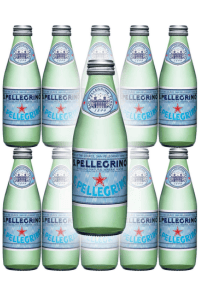
Instead of club soda or tonic water, you can try sparkling mineral water or seltzer. These will give you a similar fizz.
And you can still use juice. Here are some of the better choices.
Use 100% pure organic low histamine juice like:
- Apple
- Blueberry
- Cranberry
- Grape (may be an issue for some because mold grows on it)
- Lemon (small amounts)
- Lime (small amounts)
- Mango (note: most mango juice is blended with other fruits!)
- Pomegranate
Again, juice is going to be best if it is freshly squeezed or pressed.
However, if you have to use store-bought, look for 100% juice in a glass bottle. And read the recipes below to find some of your better options.
But when it comes to cocktails, the key ingredient isn’t the mixer. It’s the alcohol.
And for mocktail options, you can use sparkling mineral water to replace the alcohol.
And when it comes to lower histamine alcohol, you’ll want to know a few tips for choosing better options. That’s next.
How to Choose Low Histamine Alcohol: A Complete Guide
We definitely recommend limiting alcohol if you have Mast Cell Activation Syndrome or Histamine Intolerance.
As you read earlier, alcohol is a known mast cell trigger, and many drinks are high histamine.
But the good news is, with the right choices, you may be able to enjoy a low histamine cocktail now and then without ending up in a flare.
The key is to consider where you are in your healing journey:
- If you’re still highly sensitive – stick with low histamine mocktails and skip the alcohol for now
- If you’re a bit further along – you may tolerate a small amount of low histamine alcohol on special occasions
Either way, you can use low histamine cocktail ingredients and adjust recipes to your tolerance.
Best Low Histamine Alcohol: Vodka, Tequila, Gin, and Rum
Clear liquors like the ones listed below tend to be better. This is because they have less additives that can be mast cell triggers.
Note: No alcohol is truly histamine-free, but you do have lower histamine options.
The key with alcohol and MCAS is to:
- Limit quantity – even when you’re doing better, you may still tolerate just a splash or two
- Choose good-quality, low histamine alcohol options
Here are some lower histamine alcohol options:
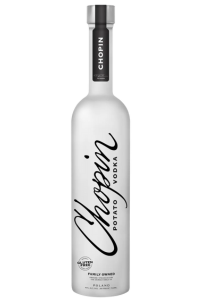
- Vodka – clear, unflavored, top-shelf like Gray Goose or Prairie. One of our favorites is Chopin’s potato vodka.
- Tequila – clear, Silver/Blanco, top-shelf like Patron Silver or 1800 Silver
- Gin – clear, top-shelf, unflavored like Hendricks or Tanqueray
- Rum – clear/white, unflavored like Bacardi Silver or Appleton White
Is There Such a Thing as Low Histamine Wine?
Low histamine wine is also an option for some.
We recommend Dry Farm Wines because they’re independently tested to be low histamine and low in common mast cell triggers (like sulfites). They have red wines, white wines, and others.
Related Post: Lower Histamine Wine
You can opt to enjoy a glass, or you can use this low histamine wine as the base for some delicious cocktails.
More Tips for Enjoying Low Histamine Alcohol and Cocktails with Histamine Intolerance or MCAS
If you’re new to the low histamine diet or still reacting every day, you’re probably going to want to wait to try alcohol. Enjoy a mocktail.
If you’ve been lowering histamine levels for a while, you might be ready to enjoy a drink on occasion. Remember, moderation is the key to not feeling bad. You will have your own limits.
Here are some additional tips for success:
- Take DAO and mast cell supporting supplements first – to help you lower histamine levels
- Choose low histamine foods the day you have a drink – to help keep your histamine load lower
- Have your drink with a meal or snack – not on an empty stomach
- Keep portions small – sometimes just a splash may be your limit
- Trust your body – if you’re not ready for alcohol, enjoy a mocktail instead!
Up next, 7 low histamine cocktails!
7 Low Histamine Cocktail Recipes (and Mocktail Options)
We’ve listed multiple different flavors for you to try in the recipe card below.
Let us know in the comments which one you like the best.
And here’s some info on the health benefits of the ingredients and fun presentation ideas for each flavor of low histamine cocktails!
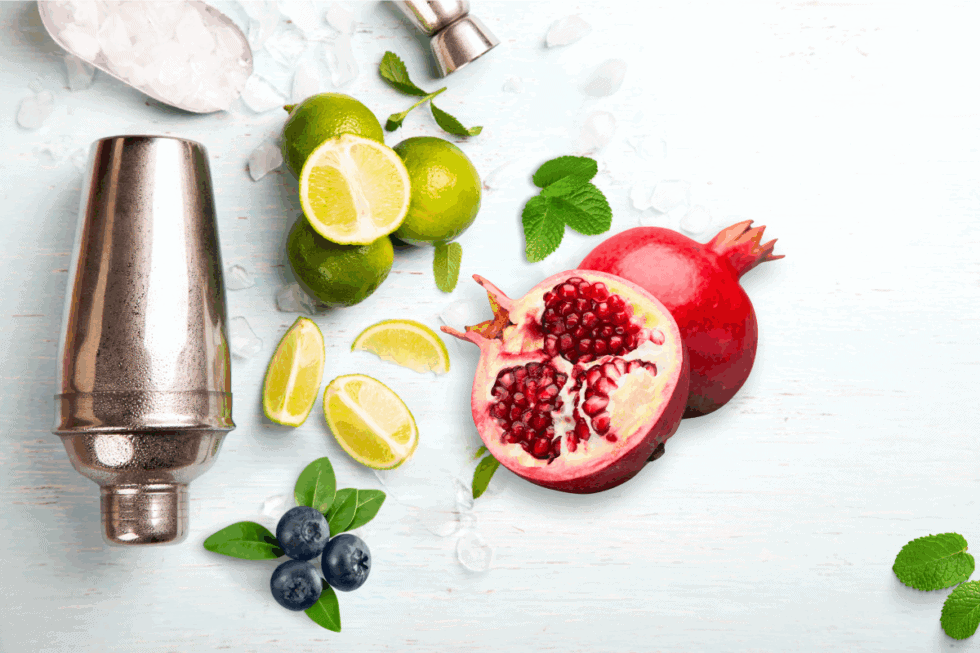
Low Histamine Pomegranate Martini Recipe – Low to Medium Oxalate, Low Lectin, Low Salicylate
This is a really beautiful martini. The deep red of the pomegranate and bright green of the rosemary make for a festive presentation.
Even better, both pomegranate and rosemary have histamine lowering and mast cell stabilizing properties!
Optional Presentation Idea:
- Freeze pomegranate juice ahead of time into ice cubes and float in glass
Low Histamine Blueberry Martini Recipe – Lower Oxalate, Low Lectin
This is a different take on the pomegranate martini and not too sweet. The basil brings an interesting complexity to the flavor.
Both blueberries and basil have histamine lowering and mast cell stabilizing properties!
Optional Presentation Ideas:
- Freeze blueberry juice ahead of time into ice cubes and float in glass
- Skewer blueberries, lemon slices, and basil leaves onto a cocktail stick
Low Histamine Vodka Cranberry Recipe – Lower Histamine, Low Oxalate, Low Lectin, Low FODMAP
This is another great, festive drink. It is bright and pretty.
Cranberries are loaded with antioxidants.
This drink is also low-FODMAP! If you have problems with SIBO, bloating, gas, etc. – go with this one and make it a mocktail (aka leave out the alcohol).
And it features our favorite, clean, high-quality and lower histamine vodka.
Blended Coconut “Dirty” Russian – Lower Histamine, Lower Oxalate, Low Lectin
Traditional White Russians use coffee-flavored liqueur. That flavor is hard to replicate without using coffee.
But you can get a roasty flavor with using toasted pecan butter in this blended, frozen recipe. This won’t be as white as a White Russian typically is. Hence the name “Dirty” Russian.
We almost never use sugar in any form, but made an exception for this recipe. Use Amber Grade maple syrup for a deeper, richer flavor.
Optional Presentation Idea:
- If you want to really step this up, make the Coconut Cream Topping to float on top!
Low Histamine Autumn Sparkler Recipe – Low Oxalate, Low Lectin
This drink is made with apple juice, sparkling water, and gin. It’s a nice fall and winter drink. But you could really have this anytime of the year.
Apples are loaded with quercetin. Especially just under the peel. So, if possible, make the apple juice fresh at home with the peel on.
Low Histamine Classic Mojito – Low Oxalate, Low Lectin, Low FODMAP
Mint is high in salicylates. And this makes it have pain relieving properties similar to aspirin.
Mint also has mast cell stabilizing properties.
Be sure to use an organic lime for Mojitos. You’ll need to leave the peel on to get the oils out of the peel.
TIP: Remember to muddle this in batches as described in the instructions below to get the best flavor.
Mojitos are hard to do right without sugar. So we made an exception for this one too. You can use cane sugar or coconut sugar. If you are low FODMAP, use the cane sugar.
Low Histamine Frozen Mango Margarita – Low Oxalate, Low Lectin
This is probably our favorite drink. We love mangos.
And this frozen margarita is so creamy and delicious.
If your histamine bucket is lower and you tolerate citrus, you can add 1 drop of Rocky Mountain Oils Orange Essential Oil. This is our secret ingredient. But only use it once you’re 6 months or more into the Low Histamine Diet and doing better.
If you use oils, only use therapeutic grade oils in foods.
Not all brands of essential oils are safe to use. And not all types of oils are safe to use internally.
Related Article: Must Have Essential Oils for Mast Cell Activation Syndrome and Histamine Intolerance
Are you ready to make some low histamine cocktails?
And, if you’re not ready for alcohol yet, you can make a mocktail using the same low histamine cocktail ingredients. Just leave out the alcohol and keep it virgin (aka alcohol-free).
First, we will list the ingredients for each flavor. Then, we’ll share instructions for how to make each of them, so they taste delicious!

Low Histamine Cocktails
Equipment
- Sharp Knife
- Highball Glasses optional
- Ice Cube Trays optional
- Muddler optional (mojito)
Ingredients
Pomegranate Martini – Lower Histamine, Low to Medium Oxalate, Low Lectin, Low Salicylates
- ½-2 ounces Top Shelf, Clear, Unflavored Vodka like Chopin's Potato Vodka (leave out for mocktail option)
- ½ cup Organic Pomegranate Juice or use fresh squeezed
- ¼ cup Sparkling Mineral Water
- 2 teaspoons Organic Lime Juice or use fresh squeezed (optional, if tolerated)
- 1 cup Ice Cubes made with filtered water
- 1-5 drops Stevia (optional)
- ⅛-¼ teaspoon Smart Monk 100% Pure Monk Fruit Powder (optional)
- Pomegranate Seeds for garnish (optional)
- 1 sprig Fresh Organic Rosemary (not dried) for garnish (optional)
- Fresh Organic Lime Slices for garnish (optional)
Blueberry Martini – Lower Histamine, Lower Oxalate, Low Lectin
- ½-2 ounces Top Shelf, Clear, Unflavored Vodka like Chopin's Potato Vodka (leave out for mocktail option)
- ½ cup Organic Blueberry Juice or use fresh squeezed
- ¼ cup Sparkling Mineral Water
- 2 teaspoons Fresh Organic Lemon Juice or use fresh squeezed (optional, if tolerated)
- 2 Fresh Organic Basil
- 1 cup Ice Cubes
- 1-5 drops Stevia (optional)
- ⅛-¼ teaspoon Smart Monk 100% Pure Monk Fruit Powder (optional)
- Fresh or Frozen Blueberries for garnish (optional)
- Fresh Organic Basil for garnish (optional)
- Fresh Organic Lemon sliced, for garnish (optional)
Vodka Cranberry – Lower Histamine, Low Oxalate, Low Lectin, Low FODMAP
- ½-2 ounces Top Shelf, Clear, Unflavored Vodka like Chopin's Potato Vodka (leave out for mocktail option)
- ½ cup Organic Cranberry Juice or use fresh squeezed
- ¼ cup Sparkling Mineral Water
- 2 teaspoons Organic Lime Juice or use fresh squeezed (optional, if tolerated)
- 4-6 Ice Cubes
- 1-5 drops Stevia (optional)
- ⅛-¼ teaspoon Smart Monk 100% Pure Monk Fruit Powder (optional)
- ¼-1 Tablespoon Amber Grade Maple Syrup (optional)
- Fresh Organic Lime Slices for garnish (optional)
Blended Coconut “Dirty” Russian – Lower Histamine, Lower Oxalate, Low Lectin
- ½-2 ounces Top Shelf, Clear, Unflavored Vodka like Chopin's Potato Vodka (leave out for mocktail option)
- 1 can Let’s Do Organic Coconut Cream (optional for cream topping– see below)
- 1 can Native Forest Coconut Milk
- ¼ cup Organic Pecan Butter or blend your own (see notes below)
Autumn Sparkler – Lower Histamine, Low Oxalate, Low Lectin
- ½-2 ounces Top Shelf, Clear, Unflavored Vodka like Chopin's Potato Vodka (leave out for mocktail option)
- ½ cup Organic Apple Juice or use fresh squeezed
- ¼ cup Sparkling Mineral Water
- 2 teaspoons Fresh Organic Lemon Juice or use fresh squeezed (optional, if tolerated)
- 4-6 Ice Cubes
- 1-5 drops Stevia
- ⅛-¼ teaspoon Smart Monk 100% Pure Monk Fruit Powder
- Fresh Organic Lemon sliced, for garnish (optional)
- 1 sprig Fresh Organic Thyme Leaves for garnish (optional)
Classic Mojito – Lower Histamine, Low Oxalate, Low Lectin, Low FODMAP
- ½-2 ounces White Rum (leave out for mocktail option)
- 20 leaves Fresh Mint
- 1 Fresh Organic Lime cut into 8 sections, leave peel on
- 1 cup Sparkling Mineral Water
- 2 cups Ice Cubes
- 2 Tablespoons Organic Coconut Sugar
- Fresh Organic Lime Slices for garnish (optional)
- Fresh Mint Leaves for garnish (optional)
Frozen Mango Margarita – Lower Histamine, Low Oxalate, Low Lectin
- ½-2 Top Shelf, Silver, Unflavored Tequila (leave out for mocktail option)
- 1 cup Frozen Mango
- 2 teaspoons Organic Lime Juice or use fresh squeezed (optional, if tolerated)
- 2 cups Ice Cubes
- 1-5 drops Stevia
- ⅛-¼ teaspoon Smart Monk 100% Pure Monk Fruit Powder
Instructions
Pomegranate Martini, Blueberry Martini, Vodka Cranberry, Autumn Sparkler
- Add all non garnish ingredients to a cocktail shaker.
- Shake thoroughly and strain into a glass.
- Garnish as desired.
Blended Coconut “Dirty” Russian
- Freeze coconut milk in ice cube trays for at least 6 hours, or overnight.
- When ready to make the drink, first make cream topping, if using, with directions below.
- Place vodka, frozen coconut ice cubes, pecan butter, and maple syrup in a blender and blend until smooth. Don’t over-blend or it will start to melt.
- Pour into 2 tall glasses.
- Top with optional coconut whipped cream, if desired.
*Coconut Cream for Blended Coconut “Dirty” Russian
- Scoop out 1 cup of coconut cream.
- Whip the coconut cream, monk fruit extract, and raw vanilla powder with a whisk until thick and stiff. Avoid overwhipping.
- Top the Frozen White Russian with coconut cream.
Classic Mojito
- Put 10 mint leaves and 2 lime wedges into a heavy highball glass.
- Crush the mint and lime with a muddler to release the oils.
- Add 2 more lime wedges and 2 Tablespoons of sugar and muddle again.
- Repeat steps 1 to 3 in a second glass.
- Don’t strain the mixture.
- Fill each highball glass nearly to the top with ice.
- Add ½ the rum to each glass.
- Top the glass with sparkling mineral water.
- Garnish with a lime slice and fresh mint (optional).
Frozen Mango Margarita
- Put tequila, frozen mango, lime juice (optional), ice, sweetener, and orange essential oil (optional) in blender.
- Blend until smooth.
- Run a lime wedge around the edge of glass. Dip into sugar or sea salt, if desired.
- Pour frozen mango mixture into glasses.
- Garnish with a couple lime slices (optional).
Notes
Did you enjoy these low histamine alcohol and mocktail recipes? We’d love to hear your favorite low histamine cocktail flavor in the comments below!
More Low Histamine Alcohol and Drink Resources
- Elderflower Sparkling Wine Cocktail (plus Mocktail option) – Low Oxalate, Low Lectin, Low FODMAP
- Tulsi Rose Tea – Low Oxalate, Low Lectin, Low FODMAP
- Pumpkin Spice Drink – Low Oxalate, Low Lectin, Low FODMAP
- Vanilla Mint Coffee – Low Oxalate, Low Lectin, Low FODMAP
- Iced Hibiscus Tea – Low Oxalate, Low Lectin, Low FODMAP
- Lower Histamine Wine Options
Some links in this website are affiliate links, which means Mast Cell 360 may make a very small commission if you purchase through the link. It never costs you any more to purchase through the links, and we try to find the best deals we can. We only recommend products that we love and use personally or use in the Mast Cell 360 practice. Any commissions help support the newsletter, website, and ongoing research so Mast Cell 360 can continue to offer you free tips, recipes, and info. Thank you for your support!
References
Compound Interest. (2016, June 8). The Chemistry of Vodka – Structure, Additives, and Impurities. Retrieved December 5, 2021, from https://www.compoundchem.com/
2016/06/08/vodka/
Ede, MD, G. (2017). Histamine Intolerance: why freshness matters. Journal of Evolution and Health. https://doi.org/10.15310/2334-3591.1054
Reese, I., Ballmer-Weber, B., Beyer, K., Fuchs, T., Kleine-Tebbe, J., Klimek, L., Lepp, U., Niggemann, B., Saloga, J., Schäfer, C., Werfel, T., Zuberbier, T., & Worm, M. (2017). German guideline for the management of adverse reactions to ingested histamine: Guideline of the German Society for Allergology and Clinical Immunology (DGAKI), the German Society for Pediatric Allergology and Environmental Medicine (GPA), the German Association of Allergologists (AeDA), and the Swiss Society for Allergology and Immunology (SGAI). Allergo journal international, 26(2), 72–79. https://doi.org/10.1007/s40629-017-0011-5
Wüthrich B. (2018). Allergic and intolerance reactions to wine. Allergologie select, 2(1), 80–88. https://doi.org/10.5414/ALX01420E
Zimatkin, S. M., & Anichtchik, O. V. (1999). Alcohol-histamine interactions. Alcohol and alcoholism (Oxford, Oxfordshire), 34(2), 141–147. https://doi.org/10.1093/alcalc/34.2.141
Hi, I noticed this article mentioned the issues with club soda, I was wondering if there were issues with soda water made from a soda stream? As far as I’m aware the cylinder you use with it is C02.
Hi Carla, Just adding carbon dioxide is fine. I doubt the flavorings are ok, though. Also, make sure to keep the machine clean and mold free!
Hi there,
I am a 23 year old student that has been suffering histamine-related issues for a couple of months now. Most of mine are neurological and originally I thought alcohol took away a lot of my issues but I think it was just reducing my anxiety. I worry I have MCAS because I reacted to a sweet potato a couple weeks ago. I am almost done with finals and I would really like to be able to enjoy a drink with friends. I’m not worried about the side effects as much as I am curious about whether it could have detrimental long-term effects. If it is currently just a histamine intolerance, do you know if it could become MCAS from me not being careful?
Thank you so much for everything; you and your site have been a tremendous help in this process.
Hi Rebecca,
Histamine Intolerance and MCAS are two different things. In the Mast Cell 360 practice, we can see them together for a number of reasons. You can check out these two articles to get a better idea of how they differ but also instances where they overlap.
https://mastcell360.com/mast-cells-and-mast-cell-activation-syndrome-101-what-to-know-if-you-have-mast-cell-activation-syndrome-or-histamine-intolerance/
and
https://mastcell360.com/what-is-histamine-intolerance-and-how-can-you-address-it-what-to-know-if-you-have-mast-cell-activation-syndrome-and-histamine-intolerance/
I hope this helps!
Thank you so much! And I suppose the “20 fresh lime leaves” in the Classic Mojito are ment to be “20 fresh mint leaves” 😉
Ah! Thank you so much! Yes, that should say mint leaves. I’ve updated it now. Thank you so much for bringing that to our attention!
Thank you very much for this information. I am sure it will be of great help going forward.
This is unrelated to cocktails but definitely related to alcohol. I have been taking several herbal tinctures which have “certified organic cane alcohol” as the non-herb ingredient and say anywhere from 54-76% (I assume that’s like the proof in spirits).
Since you say clear alcohols are typically lower histamine, I’m wondering if the alcohol in such tinctures or liquid extracts might be the low histamine ones.
I am concerned these tinctures are causing problems but can’t immediately discontinue them. How much should I be concerned about this potentially causing mast cell issues?
Hi Aleisha,
Great question! The small amount of alcohol in tinctures can be a problem for some people, others will tolerate it fine. Think of histamine like a sink. Everybody has different sized sinks, different drains, and different things filling it each day. It’s only a problem when it overflows, aka our body has more than it can handle. We don’t know your case well enough to say whether the tinctures would be an issue for you or not and suggest you discuss that with your provider who does. Some people find ‘boiling it off’ works. This method involves adding the drops to hot water and letting it sit for a few moments while the alcohol evaporates. It may or may not be a problem with some tinctures, so again, something to chat about with the provider who suggested you use them.
This post has some great ideas about how to help with histamine and mast cells: https://mastcell360.com/histamine-intolerance-vs-mast-cell-activation-syndrome/
Best,
Kam
I may be missing something, but I don’t think I saw any “mocktail” recipes or notes on how to make some of the cocktails listed above without alcohol – hope you can help!
Hi Janine,
Thanks for reaching out!
Simply leave out the alcohol in the mocktails. It’s just a splash anyway, and these drinks are delicious without the alcohol as well.
Best,
Zack