

Customizing Your Flare Plan for Mast Cell Activation Syndrome and Histamine Intolerance
Have you ever found yourself in the middle of a mast cell flare up wondering what to do next? If you have Mast Cell Activation Syndrome (MCAS), it’s likely this sounds familiar.
Or maybe you wish you could get a step ahead of flares?
Most of us have been in these situations.
Over the years, here at Mast Cell 360, we’ve learned a few things about how to calm flares through both our own personal experience and working with clients.
And how to lessen reactions by planning ahead.
And how important it is to get on flares right away.
First, we want you to know that we are sharing this because we want to give you hope. We want you to know if you have setbacks, too, that doesn’t mean you’ll never be well again.
And that we are all human and make mistakes sometimes.
You might run out of supplements for a few days. You might not pay attention to your symptoms. You might eat too many triggering foods. You might get ill.
Any of those can cause an MCAS flare.
And that’s why having a mast cell flare plan is so important.
Keep reading to learn more about:
- What is an MCAS flare?
- What is a flare plan?
- Why should you make a flare plan
- How to customize your flare plan to your needs
- How to talk with your provider about flare plans
- Top flare plan recommendations from the clinic
- A personal flare plan example
What Is an MCAS Flare Up?
It’s important you know that this blog post is for informational and educational purposes. It’s not meant to treat any health condition or to be prescriptive for anyone. If you have any medical condition, it is critical you work under the care and guidance of a licensed medical provider.
Your mast cells are an important part of your immune system.
But if you have Mast Cell Activation Syndrome (MCAS), you have haywire mast cells.
MCAS can result in overly sensitive mast cells. In other words, you may notice reactions to things that aren’t a problem in people without MCAS. This might be things like fragrances or certain foods.
Your mast cells may also not “shut off” even once a real threat, like a virus, has been dealt with.
Your mast cells release mast cell mediators when they are triggered.
When mast cells release those chemical mediators, the process is called mast cell degranulation. It’s what causes your symptoms.
The definition of flare up in MCAS is when your symptoms increase due to exposure to mast cell triggers.
Some common triggers that might set off an MCAS flare up are:
- Mold exposure
- Allergens (like pollens)
- Wildfire smoke
- Tick / mosquito bites
- Animal bites with venoms
- Injuries or illness (virus, food poisoning, parasites, etc.)
- Medical / dental procedures
- Stress
- Pollution
- Fragrance
- Dietary triggers
- Getting too hot or too cold
- Not keeping up with your healthcare protocol
We’ll use an example from Beth. Here is what set her flare up off:
- She got a significant concussion
- She had 2 major mold exposures
- She slacked off taking her antifungal for the nasal colonization after exposure
- She was traveling for medical treatments
- She ate sugar every day while traveling for about a week (which worsened the sinus fungal colonization by providing food for the fungi to thrive)
- She had anaphylaxis from mold and fragrance exposures
- And she had intense osteopathic work and prolotherapy injections to help with the pain from the concussion
That’s a LOT of pressure on mast cells!
And she didn’t follow her flare plan.
Like we said. We are all human and make mistakes.
So, why didn’t she follow her flare plan?
Beth’s Flare Up Mistake
She wasn’t paying attention to her warning sings.
And she was in so much pain from the concussion that it was clouding her judgement.
That concussion led to increased jaw instability, muscle spasms, and nerve pain because of the extent of damage from previous injuries.
She rationalized that the swelling in her hands (a classic mast cell flare sign for her) was because she had eaten too many high histamine foods lately.
And she ignored the flare symptoms… until she couldn’t anymore.
Eventually, her sinuses felt like they would explode. She started having chronic migraines. Her hands continued to be red and swollen. She had bad joint pain that felt like an arthritis flare.
And she dislocated a joint in her big toe just by stubbing it. That meant hypermobility had returned. She had previously dealt with Hypermobile Ehlers-Danlos Syndrome (EDS). But had completely reversed it.
Additionally, she noticed an increase in EMF sensitivity.
Let’s look at what other flare symptoms might be and why they can be different.
Mast Cell Flare Symptoms
You might recognize yourself in some of Beth’s story above. And you might have different symptoms, too.
You have mast cells in nearly every tissue in your body.
And mast cells can release over 1,000 different mediators (chemical messengers), such as:
- Histamine
- Tryptase
- Leukotrienes
- Prostaglandins
- And many more!
So, depending on what your mast cells are doing, there can be a wide variety of symptoms across a wide variety of body systems. Having symptoms in 2 or more body systems can actually be one of the clues you might have MCAS.
Related Post: What Are Mast Cells? Mast Cell Activation Syndrome 101
You might also experience MCAS symptoms in your flare ups like:
- Systemic symptoms
- Overall fatigue
- Chronic pain
- Increase in food or chemical sensitivities
- Inflammation
- Skin symptoms
- Rashes
- Hives
- Itchy skin
- Urticaria
- Eczema
- Gastrointestinal symptoms
- Abdominal pain
- Cramping
- Bloating
- Diarrhea
- Constipation
- Reflux
- Nervous system symptoms
- Anxiety
- Depression
- Brain fog
- Insomnia
- Heart symptoms
- Fast heart rate
- Low blood pressure
- Fainting
- Respiratory symptoms
- Congestion
- Shortness of breath
- Sinus or nasal swelling
And those are just a few of the possible symptoms!
Related Article: Do You Have More Than Just Histamine Intolerance? Take the Mast Cell Activation Syndrome Symptoms Survey
If you catch flares early, you can often calm them down quickly before you end up with a severe flare up.
For some people, mast cell flare ups can calm within just a few hours or days.
But even if you let your flare progress to the advanced stage Beth did, a flare plan can still be extremely helpful. Beth’s plan helped her out of that situation!
So, just what is a flare plan and why should you make one?
What Is an MCAS Flare Plan?
Think of a flare plan kind of like you would a natural disaster plan.
For example, if your area is prone to tornados, you want to prepare BEFORE a tornado ever hits.
You’ll want to know where to take shelter. You’ll also want to have a kit with emergency essentials ready to go. Checklists may also be helpful.
In the moment, things can get chaotic! If you have a checklist and a kit prepared, all you need to do is grab your kit and checklist. Then you just check everything off.
When you are in a mast cell flare, it’s very much the same.
Your mast cell flare plan is your list of safe:
- Supplements
- Nervous system supports
- Medications
- Action steps
You can use this when you first start noticing you’re in a flare up.
Or you can use this BEFORE a flare if you know you’ll be exposed to mast cell triggers.
For example, undergoing a dental procedure you can get ahead of reactions by following your flare plan and bumping up mast cell supports.
Here is why.
Why You Need a Mast Cell Flare Up Plan
You might not be thinking clearly when you are in the middle of a flare.
Flares can affect your mental health and your ability to make any decisions at all. Let alone good decisions.
Having a clear plan already written up can help you when you feel too bad to make good decisions.
You should print out your flare plan on a piece of paper. You can even keep it in a page protector to help keep it safe.
Keep it in a memorable place like your medicine cabinet.
It is better to have a printout than to rely on an electronic file. It’s often easier to access a piece of paper in your drawer or cabinet if you are sick.
And if you need someone to get it for you, they won’t need to know passwords or where to find your file.
You’ll also want to do some prepping by knowing what supplements and medications are on your list so you can keep extra on hand to use as needed.
TIP: Keep all your emergency medications and supplements in one easy to access spot. You don’t want to hunt them down in the middle of a flare. And if someone needs to help you, they’ll be able to find them easily, too.
You may want to put together a little kit you can carry with you, and a bigger one for home.
Having quick access is particularly important if you need an EpiPen (epinephrine) or inhaler to help with symptoms. Also, if using an EpiPen is new to you, talk with your doctor about how to use your Epi tester. You want to know exactly what to do BEFORE you really need it.
Do you have a list of emergency contacts handy? Don’t rely on your phone. If someone needs to make calls for you, they may not be able to access your phone contacts.
And it is good practice to let others around you know how to help you in case of emergency.
Let family or friends know where you keep your emergency meds like your EpiPen. Let them know how to use it in case you aren’t able to administer it yourself. And let them know where you keep your supplements and medications and your flare plan!
You may want to go ahead and let someone know you may need help at the onset of a flare. It might not be bad to start. But that way someone else has a head’s up in case it does get worse.
When to Use Your MCAS Flare Plan
Normally, you would use your flare plan when you first start noticing symptoms. Or when you are anticipating mast cell activating triggers, like from medical procedures.
Related Post: What Are Mast Cells? Mast Cell Activation Syndrome 101
That will often help you feel better faster.
But we’re all human. And in Beth’s example, she didn’t use her flare plan right away, and her symptoms got worse and worse.
But even though she let symptoms get pretty bad before implementing it, her flare plan was still extremely helpful.
See, at that point, brain fog was keeping her stuck. She needed to be on autopilot as much as possible.
So, she got out her flare plan and started following it to the letter.
And things started improving.
Not everybody’s flare plan looks the same. We’ll share an example of a personal flare plan with you to give you an idea. And you’ll read about our top flare plan recommendations.
But you’ll want to use these as ideas to consider. You’ll still need to put together something that’s right just for you.
Here are some tips on how you can do that.
How to Customize Your MCAS Flare Plan
A symptoms and changes journal can be a good place to start putting together the picture of your health.
A symptoms and changes journal can help you:
- Pinpoint triggers
- Identify what you tolerate best
- Discern what dosages are best for your needs
Your journal can be simple and take only about 1 minute a day.
In the Mast Cell 360 practice, our clients don’t list their entire protocol and all symptoms each day. Just jot down any changes happening and whether any specific symptoms improved or worsened.
You can also list when you:
- Add or stop a new supplement or medication
- Increase or decrease dosages
- Add a new food
- Dine out
- Travel
- Anything that may affect your health
This helps provide a baseline of information for you to help you see what works for you.
From there, you can use this information to customize your flare plan.
Working With Your Practitioner on Your Mast Cell Flare Plan
You’ll read about our top flare plan recommendations next. You can use these ideas to talk to your provider to help determine what’s right for you.
Talk with your provider to see if these options are right for your flare plan:
- Increasing medications
- Taking more supplements
- Dosing that is appropriate for your needs
Your practitioner knows your health history and can help you avoid life threatening drug interactions or even just uncomfortable side effects.
That’s why it’s so important to talk this over and create your plan when you are in a good place.
You don’t want to make split second decisions when you are flaring. You may not be thinking clearly.
Here are some things to consider and to talk with your practitioner about.
Top Mast Cell Flare Plan Recommendations
Get medical advice whenever you have new or worsening symptoms of any kind.
You want to rule out anything serious.
If you have an emergency, call 911.
Contact your medical practitioner for non-emergency medical concerns.
If you have an idea of what caused the flare, pause whatever that was. If you think it was food, take a break from that food. If you think it was a supplement, pause that until symptoms calm back down.
Proceed more slowly when you do restart.
Here are some of our top action step tips for flares. And you’ll read about our top supplement recommendations next.
Action Steps for MCAS Flare Ups
Here are a few simple steps you can take to help recover from MCAS flares faster.
Stay Hydrated During a Mast Cell Flare
Staying hydrated is important for good health in general. But drinking more water during a flare is extra helpful!
Water plays a big part in flushing toxins from your system.
Just make sure your water isn’t adding to your toxic load!
Related Article: AquaTru Water Filter Review
Rest and Recovery: Sleep During MCAS Flares
Take naps throughout the day. Get more sleep than usual.
Sometimes doing nothing is the most you can do!
Cut back on physical activity.
Rest.
Sleep is an important part of healing! But if you can’t sleep, even just laying down without stimulation can help your body.
And you can find some ideas to help improve sleep issues from MCAS here.
Reduce Stress to Calm Mast Cell Flare Symptoms
Anything that causes stress increases mast cell activity.
Do what you can to limit your stressors. Try to avoid traffic. Turn off the latest news for a few days. You get the idea.
Ask for help if you need it.
Remember the time you drove the neighbor kids to school when their mom was sick? She’s probably more than happy to return the favor.
Don’t be afraid to reach out. Sometimes this is hard to do. But when you are in a good mental place, make note of the people you can really count on.
Maybe your neighbor can help you walk your dog if it’s hot and the heat is triggering you.
Or maybe someone can pick up your groceries the next time he or she’s at the store so you can avoid exposure to chemical fragrances.
Nervous System Support for MCAS Flare Recovery
One of the first steps Mast Cell 360 clients take toward getting their health stabilized is introducing nervous system supports into their protocol.
Work with both the vagal nervous system and limbic system. You need both to help get your body into the parasympathetic state also known as rest, digest, and heal.
It’s in this state that you’ll be able to get your mast cells and reactions calmed down.
Primal Trust Academy is our favorite nervous system program! It’s a brain retraining program that helps with vagus nerve toning AND the limbic system.

>>> Use coupon code MASTCELL360 for $10 off your first month!
Eat Cleanly: Low Histamine Diet and Food Intolerances During a Mast Cell Flare
Eating lower histamine during a mast cell flare can help calm the mast cells.
Mast cells release histamine. Histamine stimulates the mast cells. It can become a vicious cycle.
If your histamine load is high or if you have Histamine Intolerance, eating a Low Histamine Diet can help get your histamine levels down and curb that mast cell response.
And consider liquid foods to help reduce symptoms, especially if you are having gut issues.
This might include purees, blended soups, and smoothies. Here are some recipes to get you started:
- Chicken Ginger Low Histamine Soup – Low FODMAP, Low Oxalate, and Low Lectin
- Low Histamine Cherry Smoothie – Low Oxalate and Low Lectin
- Low Histamine Roasted Carrot and Pear Soup – Low Lectin with Low Salicylate Option
- Mango Basil Low Histamine Smoothie – Low Oxalate and Low Lectin
- Low Histamine Leek and Fennel Soup – Low Lectin, Low Oxalate, and Low Salicylate
Depending on your needs you can see all our recipes by clicking below:
- Low histamine recipes
- Low oxalate recipes
- Medium oxalate recipes
- Low lectin recipes
- Low salicylate recipes
- Low FODMAP recipes
Another action step you can take is to increase supplement supports and medications, as tolerated.
Here are a few options to talk with your provider about.
Top Supplements for Managing a Mast Cell Flare
During a flare isn’t the time to start new supplements. Especially if you have a history of sensitivities.
Ideally, you’ll want to test all these supplements BEFORE you have a flare.
You don’t want to make your flare worse by taking something you aren’t going to tolerate.
And trying these before you have a flare will help you get a baseline idea of what you can tolerate.
And if you have MCAS, mast cell supporting supplements may help you on a regular basis, too. You may be able to take these regularly and increase during a flare for maximum benefits.
This first one is so simple and so easy to come by you might already have it in your house. Baking soda. Just be careful to only ingest from a new package.
Bicarbonates
Baking soda is a bicarbonate. Bicarbs work as an indirect mast cell stabilizer.
They work by modulating a mechanism that controls inflammasome production. Inflammasomes are protein structures that act like alarm bells for your immune system.
It causes inflammation and can drive more mast cell activation.
These 3 bicarbonates may be helpful in a flare (if tolerated):
Baking Soda (sodium bicarbonate)
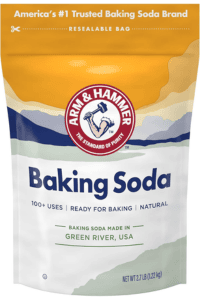
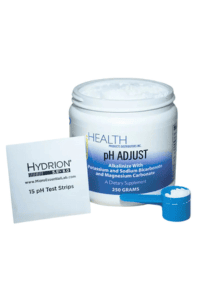
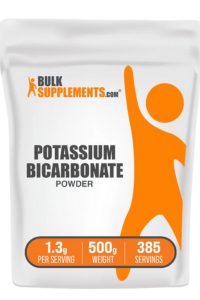
If you are very sensitive, you might want to start with just a sprinkle.
Some people do ok with ¼ teaspoon in 8 ounces of water on an empty stomach up to 3x/day.
You want to take this on an empty stomach because bicarbonate buffers stomach acid. Stomach acid is important for good digestion, so be sure to take this between meals.
Here are 2 tips when it comes to bicarbs.
- Avoid baking soda if you have high blood pressure. Try potassium bicarbonate (above) instead.
- With low blood pressure, add ½ teaspoon unrefined sea salt (Redmond Real Salt).
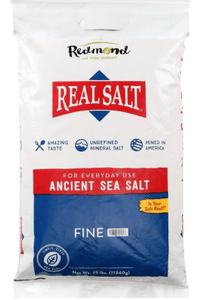
>>> Use coupon code MASTCELL360 to get 15% off!
Electrolytes
Electrolytes are essential minerals needed for your body to carry out key roles.
The top 3 electrolytes are:
- Sodium
- Potassium
- Chloride
You may need a boost in electrolytes if you have Irritable Bowel Disease (IBD).
IBD has been associated with MCAS. And you may see an increase in IBD symptoms during an MCAS flare.
Your mast cells and mast cell mediators can affect electrolyte absorption in your gut if you have IBD.
That means you may not be getting what you need for your body to function properly. This may cause an increase in gut related symptoms. Concentrace is an electrolyte blend you can consider adding to your drinking water.

Start slowly with Concentrace if you haven’t tried it before. If you are sensitive, you may not be ready for a combination product like this yet.
You may want to try one mineral like potassium to start.
DAO (Diamine Oxidase) Supplements
Diamine oxidase (DAO) is a histamine-degrading enzyme that your body should naturally make.
However, you might not be making enough of it to keep up with your histamine load. Or you might be making enough, but you don’t have enough of the cofactors needed to make it active.
For example, vitamin B6 and vitamin C are important for making DAO active and usable by your body. Make sure you get a low histamine vitamin C!
This diamine oxidase is generally well tolerated by those with Mast Cell Activation Syndrome. And very helpful in managing histamine loads.
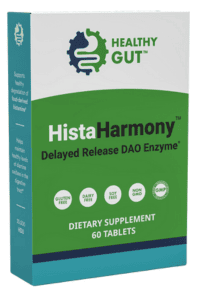
Related Post: Diamine Oxidase (DAO) for Mast Cell Activation Syndrome or Histamine Intolerance
Mast Cell Supporting Supplements
This is a topic with more information than we can fit in just 1 post. So, we have a course that covers it more in-depth.
You can learn more about the top mast cell supporting supplements we use in the Mast Cell 360 clinic in our Top 8 Mast Cell Supporting Supplements Master Class.
We’ll let you know about 2 of them right now, though. Both have been shown to have mast cell supporting properties.
And many clients and community members find them helpful.
Alpha-Glycosyl Isoquercitrin form of Quercetin
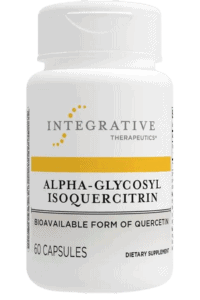
Read More: Health Benefits of Quercetin
Perilla Seed Extract (or Perimine)

Perimine (perilla seed) has also been shown to have antihistamine properties as well.
Read More: Perilla Seed Extract for MCAS
Gastrointestinal (Gut) Supporting Supplements
You’ll want to work with your provider to see what gastrointestinal (GI/gut) supports might be right for you. If you have diarrhea or constipation, your recommendations may be different.
3 gut supports we like are:
Magnesium Oxide for constipation.

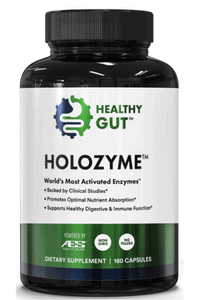
Holozyme Digestive Enzymes to help break down food, reduce reactivity, and increase nutrient absorption.
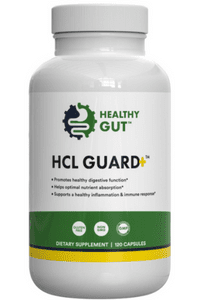
Betaine HCL like HCL Guard+ for stomach acid support and help breaking down foods.
Sleep Supports
Remember that one of the best action steps you can take during a flare is getting more sleep.
But with MCAS, you may be dealing with some sleep issues.
Fortunately, there are some supplements that can help with this.
You can learn more about Sleep Supplements for Mast Cell Activation Syndrome & Histamine Intolerance here.
Medications
Another good reason to make your flare plan with your medical provider is that they may be able to recommend medications that may help.
Your licensed medical provider may also recommend increasing things like:
- Antihistamines
- H1 blockers – fexofenadine, loratadine, ketotifen, hydroxyzine, or other prescription or over the counter antihistamines
- H2 blockers – Pepcid / famotidine
- Mast cell stabilizing medications like
- Ketotifen
- Cromolyn sodium
- Mast cell stabilizing supplements
Related Article: The Best Antihistamine for Histamine Intolerance and Mast Cell Activation Syndrome
Personal Flare Plan Example
Here’s an example of what may be on a personal flare plan.
You can use this as a starting point for ideas on how to create your own flare plan.
- Symptoms to watch out for
- Favorite safe foods and simple recipes
- Which foods can be blended for a smoothie
- Note to increase water consumption
- Detailed list of supplements and medications to increase
- Nervous system supports to do
- Troubleshooting tips for your top flare symptoms
We’ll call this person Jenny. She has a list of flare symptoms to watch out for.
She tends to get inflammation as one of her first warning signals. For instance, her hands often swell.
If she notices an increase in joint pain, gastrointestinal issues, headaches, or fatigue, these are her first alerts.
Her flare plan also includes a list of foods she can safely eat. As she has improved her health over the years, she’s been able to reintroduce many foods back into her diet.
She can even eat some high histamine foods in moderation. And can eat some FODMAPs in small portions again, too.
But when she’s flaring, she wants to stick to food she knows won’t cause any issues or put extra stress on her body.
So, she has a list of favorites that are easy to prepare. She doesn’t want to have to look up how much of an apple or garlic might be low FODMAP in the middle of a flare.
You could even make a daily meal plan! And list some snacks.
Remember, the flare plan is meant to make your life super easy when you might not be able to use your best judgement. Or you just don’t feel up to thinking everything through.
She also has a note about which foods can be blended nicely together to make an easy smoothie.
And a note to herself to increase water consumption.
She has a detailed list of her best tolerated supplements and medications to increase during a flare. Including when to take them and the dosages.
And she has also outlined what nervous system supports work best and how much extra time she can typically tolerate if needed.
And because sleep is sometimes an issue when she’s flaring, she has notes on what has worked in the past to help with trouble sleeping.
She also has notes on what to do if she has trouble with constipation or diarrhea. Which are 2 common problems in flares.
You’ll want to detail out your own flare plan based on your own top symptoms and challenges.
Key Takeaways: Managing Your Mast Cell Flare
Being mindful about what’s happening in your body can be helpful in recognizing the onset of an MCAS flare up.
But remember, we all experience setbacks sometimes. Healing is a curving, winding journey.
We share our own struggles with you so you know that if you go through something like this, you can come out of it, too.
We often only see each other’s highlight reels. You know… the best parts of our lives showcased on social media.
But sometimes, we all have these down moments, too.
So be gentle with yourself.
And have a plan in place for those times you need it!
Here are the big takeaways:
- Work with your practitioner to always have a flare plan ready
- Pay attention to early signs of a flare starting and address the triggers
- Boost your protocol right away
- Use your flare plan starting a few days before any travel or medical procedures and continue until the flare is over
- Don’t minimize or deny your symptoms
- Don’t underestimate events like mold exposures, concussions, or other traumas
- Work with your practitioner to be proactive
- Don’t let your mind spiral out of control
- Remember the importance of limbic, vagal, and mast cell supports throughout your healing journey
What MCAS flare up tips do you have to share?
More About Mast Cell Activation Syndrome
- What Is MCAS? Understanding Mast Cell Activation Syndrome Symptoms and Causes
- Do You Have One or Both? Histamine Intolerance vs MCAS (Mast Cell Activation Syndrome)
- Do You Have More Than Just Histamine Intolerance? Take the Mast Cell Activation Syndrome Symptoms Survey
- How to Balance Your Nervous System with MCAS
- Resonant Breathing for Mast Cell Activation Syndrome and Histamine Intolerance
References
Abed, H., Ball, P. A., & Wang, L. X. (2012). Diagnosis and management of postural orthostatic tachycardia syndrome: A brief review. Journal of geriatric cardiology : JGC, 9(1), 61–67. https://doi.org/10.3724/SP.J.1263.2012.00061
Castells, M., & Butterfield, J. H. (2019). Mast cell Activation Syndrome and Mastocytosis: Initial Treatment Options and Long-Term Management. The Journal of Allergy and Clinical Immunology: In Practice, 7(4), 1097–1106. https://doi.org/10.1016/j.jaip.2019.02.002
Frieri, M. (2015). Mast cell activation Syndrome. Clinical Reviews in Allergy & Immunology, 54(3), 353–365. https://doi.org/10.1007/s12016-015-8487-6
Gotfried, J. (2023, August 10). Diarrhea. Merck Manuals Professional Edition. https://www.merckmanuals.com/professional/gastrointestinal-disorders/symptoms-of-gastrointestinal-disorders/diarrhea
Hamilton, M. J., Frei, S. M., & Stevens, R. L. (2014). The multifaceted mast cell in inflammatory bowel disease. Inflammatory Bowel Diseases, 20(12), 2364–2378. https://doi.org/10.1097/mib.0000000000000142
Chadwick, S.J. Principles of Allergy Management. In Managing the Allergic Patient; Elsevier: Philadelphia, PA, USA, 2008; pp. 19–72. ISBN 978-1-4160-3677-7.
Li, Y., Yao, J., Han, C., Yang, J., Chaudhry, M. T., Wang, S., Liu, H., & Yin, Y. (2016). Quercetin, Inflammation and Immunity. Nutrients, 8(3), 167. https://doi.org/10.3390/nu8030167
Mast cell Activation Syndrome (MCAS). (n.d.-b). https://www.aaaai.org/conditions-treatments/related-conditions/mcas
Molderings, G. J., Brettner, S., Homann, J., & Afrin, L. B. (2011). Mast cell activation disease: a concise practical guide for diagnostic workup and therapeutic options. Journal of Hematology & Oncology, 4(1). https://doi.org/10.1186/1756-8722-4-10
Nakajima, S., et al. (2019). Resveratrol inhibits IL-33–mediated mast cell activation by targeting the MK2/3–PI3K/Akt axis. Scientific Reports, 9(1). https://doi.org/10.1038/s41598-019-54878-5
Seneviratne, S. L., Maitland, A., & Afrin, L. B. (2017). Mast cell disorders in Ehlers-Danlos syndrome. American Journal of Medical Genetics Part C: Seminars in Medical Genetics, 175(1), 226–236. https://doi.org/10.1002/ajmg.c.31555
Shi, X., Hu, Y., Zhang, B., Li, W., Chen, J. D., & Liu, F. (2021). Ameliorating effects and mechanisms of transcutaneous auricular vagal nerve stimulation on abdominal pain and constipation. JCI Insight, 6(14). https://doi.org/10.1172/jci.insight.150052
Shin TY, Kim SH, Kim SH, Kim YK, Park HJ, Chae BS, Jung HJ, Kim HM. Inhibitory effect of mast cell-mediated immediate-type allergic reactions in rats by Perilla frutescens. Immunopharmacol Immunotoxicol 2000;22(3);489-500.
Takano H, Osakabe N, Sanbongi C, Yanagisawa R, Inoue K-I, Yasuda A, Natsume M, Baba S, Ichiishi E-I and Yoshikawa T. Extract of Perilla frutescens enriched for rosmarinic acid, a polyphenolic phytochemical, inhibits seasonal allergic rhinoconjunctivitis in humans. Exp Biol Med. 2004;229:247-254.
TMS – The Mast Cell Disease Society, Inc. (2022, October 30). Symptoms and Triggers of Mast Cell Activation – TMS – The Mast Cell Disease Society, Inc. TMS – the Mast Cell Disease Society, Inc. https://tmsforacure.org/signs-symptoms-triggers/symptoms-and-triggers-of-mast-cell-activation/
Valent, P., et al. (2021). Updated Diagnostic Criteria and Classification of mast Cell Disorders: a consensus proposal. HemaSphere, 5(11), e646. https://doi.org/10.1097/hs9.0000000000000646



Hi Beth,
This post is soooo helpful – as you say, once you’re ill it’s difficult to think especially with pain, vertigo, migraine, feeling like you just have to lie down and sleep! It’s just so overwhelming 🙁
Also, helpful is the information on essential oils. They became popular over here in the 1980s and I read several books by aromatherapists like Robert Tisserand and Valerie Ann Worwood. I also had aromatherapy treatment in the 90s and have used them to help others to good effect. But now I need to know which ones are safe for histamine issues. (I too have been horrified how much unsafe information there is now) I need a mouth rinse for my gum infection so it’s good to find out which oils are safe for that, thank you 🙂
Hi Jayne,
So glad to hear you found this helpful!
Hi, I’m getting read to get some dental work done and have this information very helpful! Thank you for sharing your MCAS flare up plan. What willow bark supplement brand do you suggest?
When I get tingling/burning sensations, I find that rubbing coconut oil on the area topically, helps a *lot!*! If I feel inflamed, ditto. However, be aware that the coconut oil *Will*stain your clothes! I do this under my jeans, wear an undershirt under my shirt, etc. Certainly don’t wear your best and most expensive outfit when doing this. All it takes is a thin layer of the coconut oil. I also find that taking it internally helps when there is a flare, with symptoms as above.
Another thing I do, is take an epsom salt bath, adding approximately seven to ten drops each of helichrysum, lavender and rose essential oils, which I buy at Whole Foods. I like the Aura Cacia brand. This combination with the oils and epsom salts, for me, calm down the inflammation beautifully.
Drinking flower lavender tea is very helpful for me. (Don’t drink essential oils!)
I hope this helps someone else!
Thanks for sharing what you have found to work for you!
Just wanted to add that you cannot reverse hEDS. I was surprised by the claim. It is a –permanent– genetic connective tissue disorder.
Wishing you good health. Thanks for all the tips. 🙏
Hi Aliza. Beth discussed more about her personal case of nongenetic hEDS in this blog post that you may find of interest for informational and educational purposes: https://mastcell360.com/mast-cell-activation-syndrome-and-ehlers-danlos-syndrome/
i would like to have a high hista mine food and drink list so i can know where to start. im doing primal trust because they let me pay monthly. but all the lists i find are different from each other.I would really appreciate it.
Hi Sherrie,
Here is the link to our High histamine blog post:
https://mastcell360.com/high-histamine-foods-list/
Best,
Zack